Understanding Denier in PP Woven Bags: The Secret to Balancing Cost and Quality in 2026
21/03/2026In the world of industrial packaging, “Denier” is a term that gets thrown around a lot during procurement meetings. But in 2026, as global supply chains demand higher efficiency and lower waste, understanding this technical metric is no longer optional—it is the key to optimizing your budget.
If you are sourcing PP woven bags, polypropylene sacks, or FIBC jumbo bags from Vietnam, mastering the “Denier” factor will help you choose a bag that is neither under-engineered (leading to bursts) nor over-engineered (wasting your money).
What Exactly is “Denier” in the Packaging Industry?
In technical terms, Denier (D) is a unit of measurement for the linear mass density of fibers. It represents the weight in grams of 9,000 meters of a single yarn or tape.
-
Low Denier (e.g., 400D – 600D): Indicates a finer, thinner tape.
-
High Denier (e.g., 1000D – 1500D): Indicates a thicker, heavier, and generally stronger tape.
While GSM (Grams per Square Meter) tells you the weight of the finished fabric, Denier tells you the strength and thickness of the individual “building blocks” (the tapes) used to weave that fabric.
How Denier Affects Quality: The Strength Factor
The Denier of your woven poly bag or super sack is the primary driver of its physical performance.
-
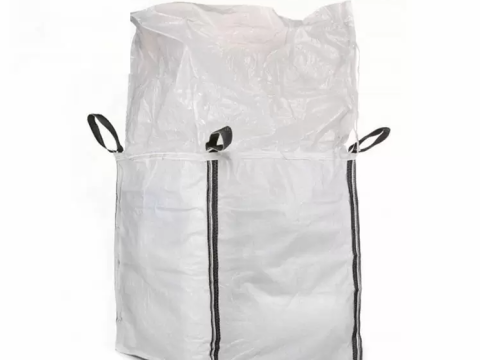
Tensile Strength: High-denier tapes provide the “backbone” for heavy-duty lifting. For Jumbo Bags carrying 1,500kg or more, a high denier (usually 1200D+) is essential to ensure a Safety Factor (SF) of 5:1 or 6:1.
-
Puncture Resistance: Thicker tapes are harder to pierce. If you are transporting sharp-edged minerals or jagged construction debris, a higher denier is non-negotiable.
-
UV Longevity: In 2026, many outdoor storage applications require UV stabilization. Thicker, high-denier tapes can hold UV-inhibitor additives more effectively, extending the life of your woven sacks under the sun.
How Denier Affects Your Costs
In the manufacturing process at NAPCO, the cost of a polypropylene bag is heavily influenced by the weight of the raw material (PP resin).
-
The Material Link: High denier = more PP resin used = higher cost per bag.
-
The Shipping Impact: Heavier bags increase the total weight of your shipping container. In an era where 2026 freight rates are calculated to the kilogram, optimizing denier can save thousands in logistics.
-
The “Over-Engineering” Trap: Many buyers mistakenly order high-denier bags for lightweight products (like 5kg of rice). By lowering the denier to a “fit-for-purpose” level, you can significantly reduce your unit price without risking a bag failure.
Recommended Denier Specifications for 2026 Applications
Based on current industry standards at our Vietnam facility, here is how we recommend specifying your woven polypropylene bags:
| Application | Recommended Denier | Typical Bag Type |
| Retail Rice/Sugar (5-25kg) | 500D – 700D | Small PP Woven Sack |
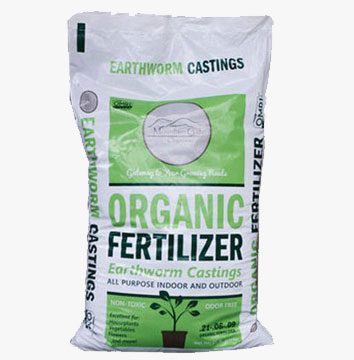
| Fertilizer/Chemicals (50kg) | 800D – 950D | Laminated PP Bag |
| Standard Jumbo Bag (1000kg) | 1000D – 1200D | U-Panel / Circular FIBC |
| Heavy-Duty Mining/Minerals | 1300D – 1600D | Reinforced Big Bag |
| Lifting Loops (FIBC) | 1800D – 2400D | High-Strength Webbing |
Why Vietnam (and NAPCO) is the Best Choice for Denier Precision
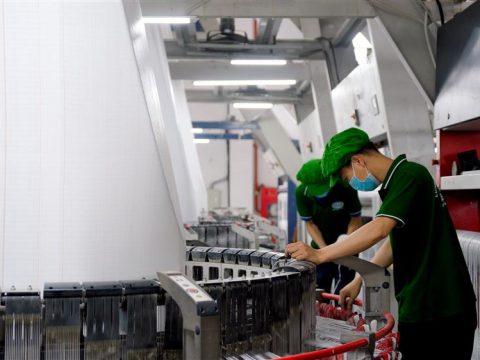
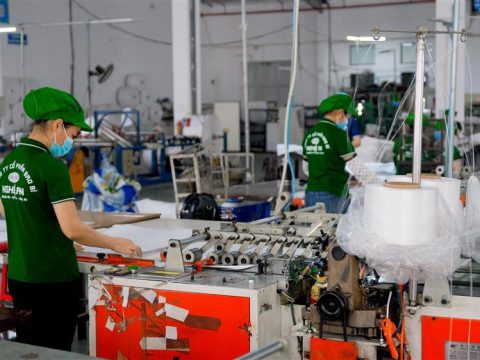
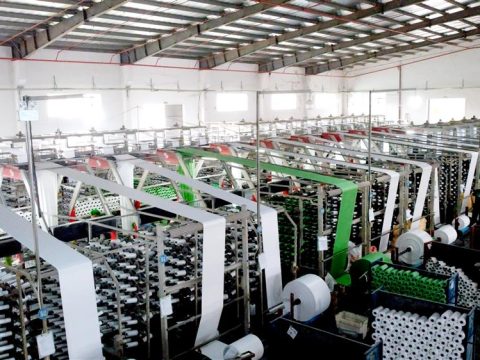
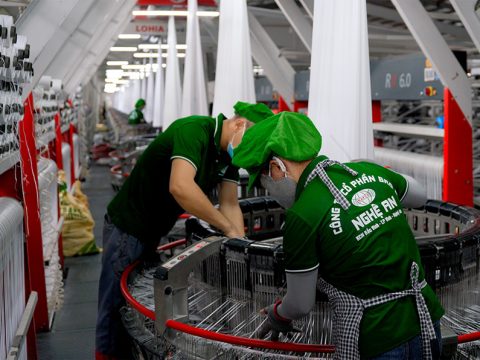
Vietnam has become the world leader in precision weaving thanks to the adoption of Austrian Starlinger and Indian Lohia technology. At NAPCO (Nghe An Packaging Joint Stock Company), we use these machines to offer:
-
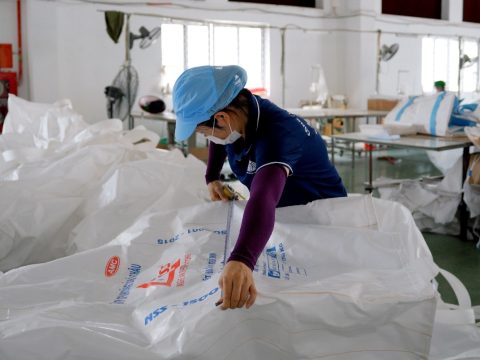
Uniform Tape Thickness: Our automated extruders ensure that the denier is consistent throughout the entire roll of fabric, eliminating “weak spots” that lead to bag failure.
-
Weight Optimization: Because our machinery is so precise, we can produce bags that meet your strength requirements using the minimum necessary denier, saving you material costs.
-
Advanced Testing: Every batch of our raffia bags and industrial sacks undergoes denier testing in our Vinh-based laboratory to ensure it meets your exact PO specifications.
The Bottom Line
In 2026, the most successful procurement teams are those that understand the math behind their packaging. By choosing the right denier, you protect your product and your profit margin.
Ready to find the perfect denier for your project?
Visit vietnamjumbobag.com to speak with our technical team. We can provide a Technical Data Sheet (TDS) that breaks down the Denier, GSM, and Tensile Strength of your ideal bag.
- Dien – Export Manager: +84 98 549 5345 (Whatsapp, Wechat, Line, Viber, Kakao talk)
- Email: Dien@napco.com.vn
- Website: https://vietnamjumbobag.com/