Stitching Types for FIBC Bags: Lock Stitch, Overlock Stitch & Chain Stitch
14/09/2026Stitching Types for FIBC Bags: Lock Stitch, Overlock Stitch & Chain Stitch
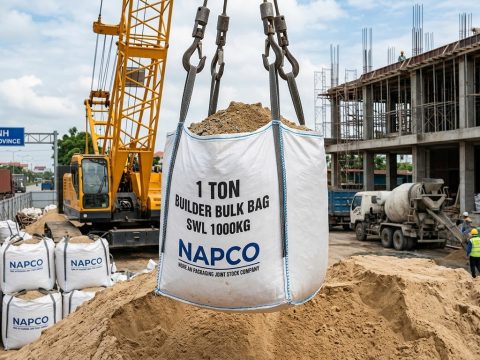
The overall dead weight capacity and safety of an FIBC bag depend heavily on its stitching construction. While high-tenacity 100% virgin polypropylene (PP) fabric provides the main body strength, the stitching method holds the entire container together under heavy loads (SWL up to 2,000+ kg).
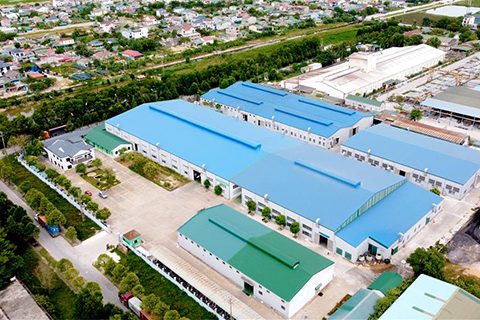
At Nghe An Packaging Joint Stock Company, we utilize three primary industrial seam stitching methods: Lock Stitch, Overlock Stitch, and Chain Stitch. Understanding the mechanics, benefits, and cost implications of each stitch type helps you choose the right packaging structure for your supply chain.
1. Lock Stitch (ISO 301)
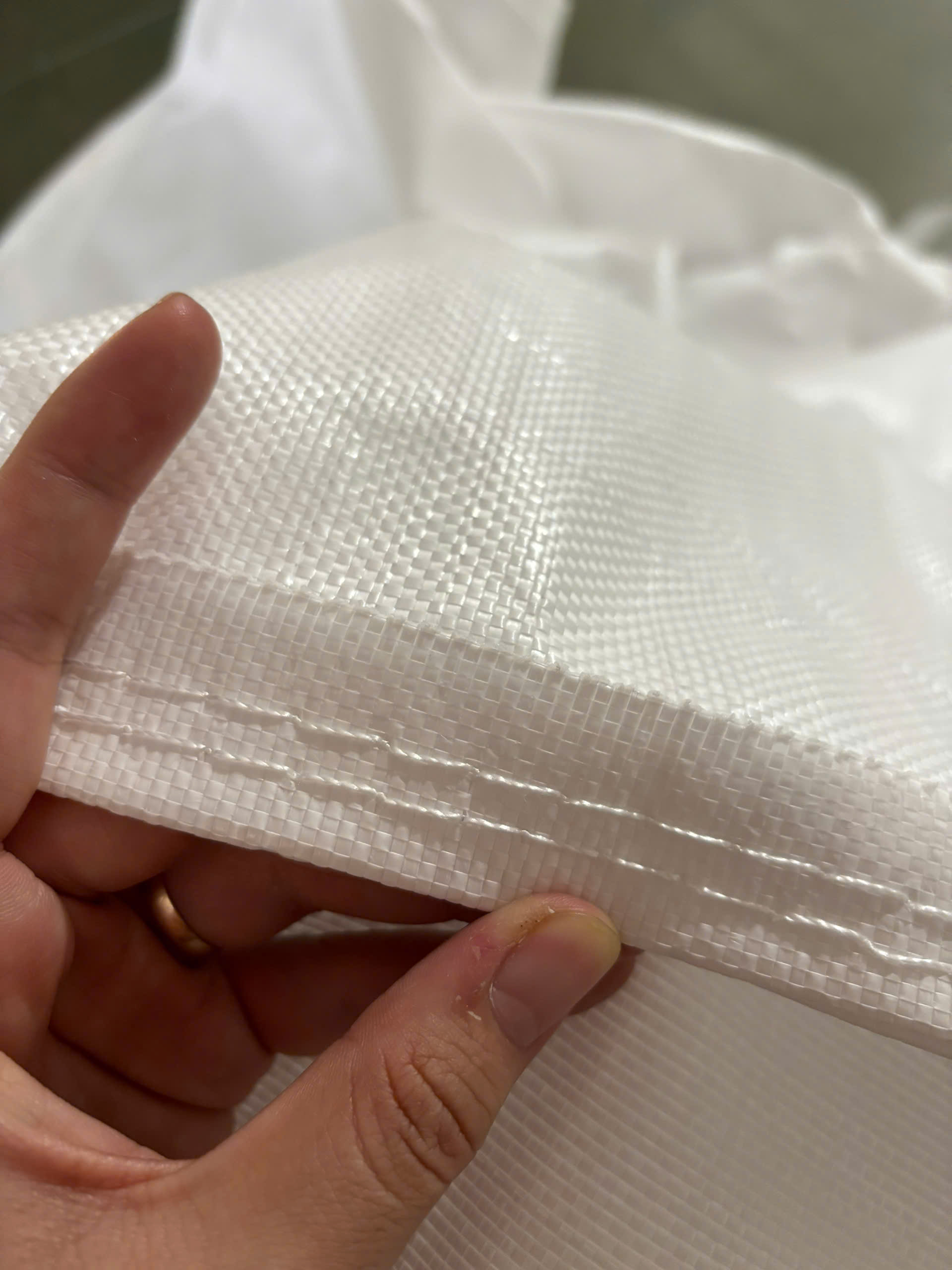
A lock stitch is formed using two threads: an upper needle thread and a lower bobbin thread that interlock in the middle of the material layers. It presents identical straight-line appearances on both the top and bottom of the fabric.
-
Strengths:
-
Exceptional Structural Stability: Highly resistant to unraveling; if a thread breaks at one point, the rest of the seam remains intact.
-
Low Seam Bulk: Creates flat, clean seams that sit flush against the bag wall.
-
-
Weaknesses:
-
Limited Elongation: Low elasticity compared to chain stitches. Under sudden dynamic shock loads, rigid lock stitches can break if the fabric stretches beyond the thread’s limit.
-
Slower Production: Machines require frequent bobbin changes, reducing manufacturing throughput.
-
-
Cost Factor: Moderate to High (higher labor/machine cycle costs due to bobbin changes, but minimal thread consumption).
2. Overlock Stitch (ISO 504 / ISO 514)
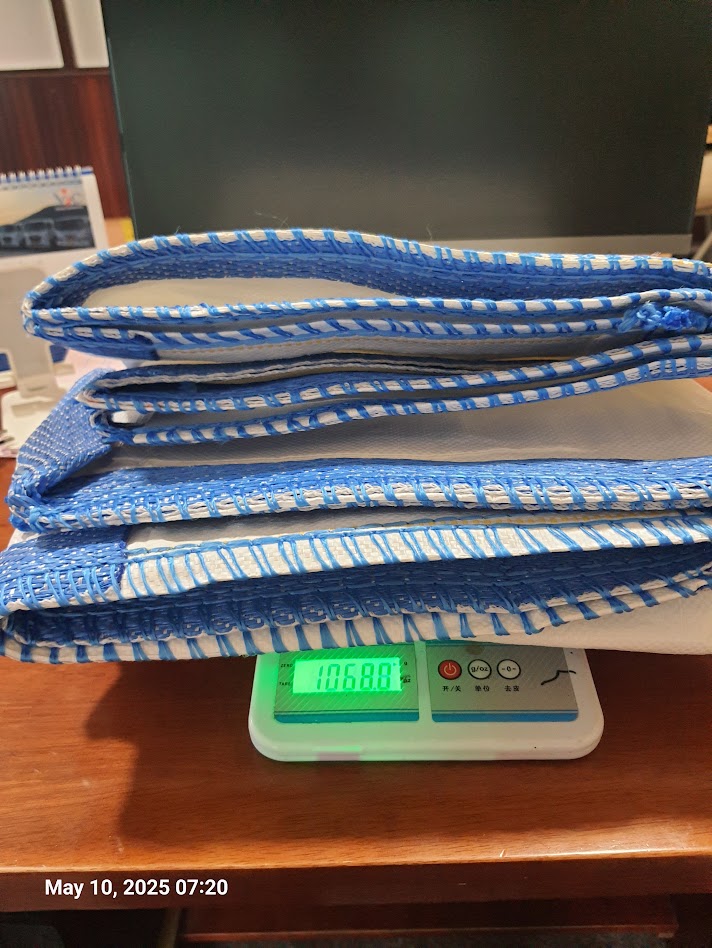
An overlock stitch (or overedge stitch) loops multiple threads around the raw edge of the woven fabric panels while sewing the seam. It is frequently combined with a chain stitch to create a “safety stitch” combination.
-
Strengths:
-
Prevents Fabric Fraying: Encapsulates the raw cut edges of PP woven fabric, stopping raw tape ends from unraveling under heavy stress.
-
Neat Edge Finish: Enhances the aesthetic quality and edge durability of top spouts, side seams, and bottom panels.
-
-
Weaknesses:
-
Higher Thread Usage: Consumes significantly more thread than standard straight seams.
-
Non-Sealing: Does not prevent fine powder leakage on its own unless paired with anti-sifting filler cords.
-
-
Cost Factor: Moderate (fast automated machine speeds keep labor costs low, though thread usage is higher).
3. Chain Stitch (ISO 401)
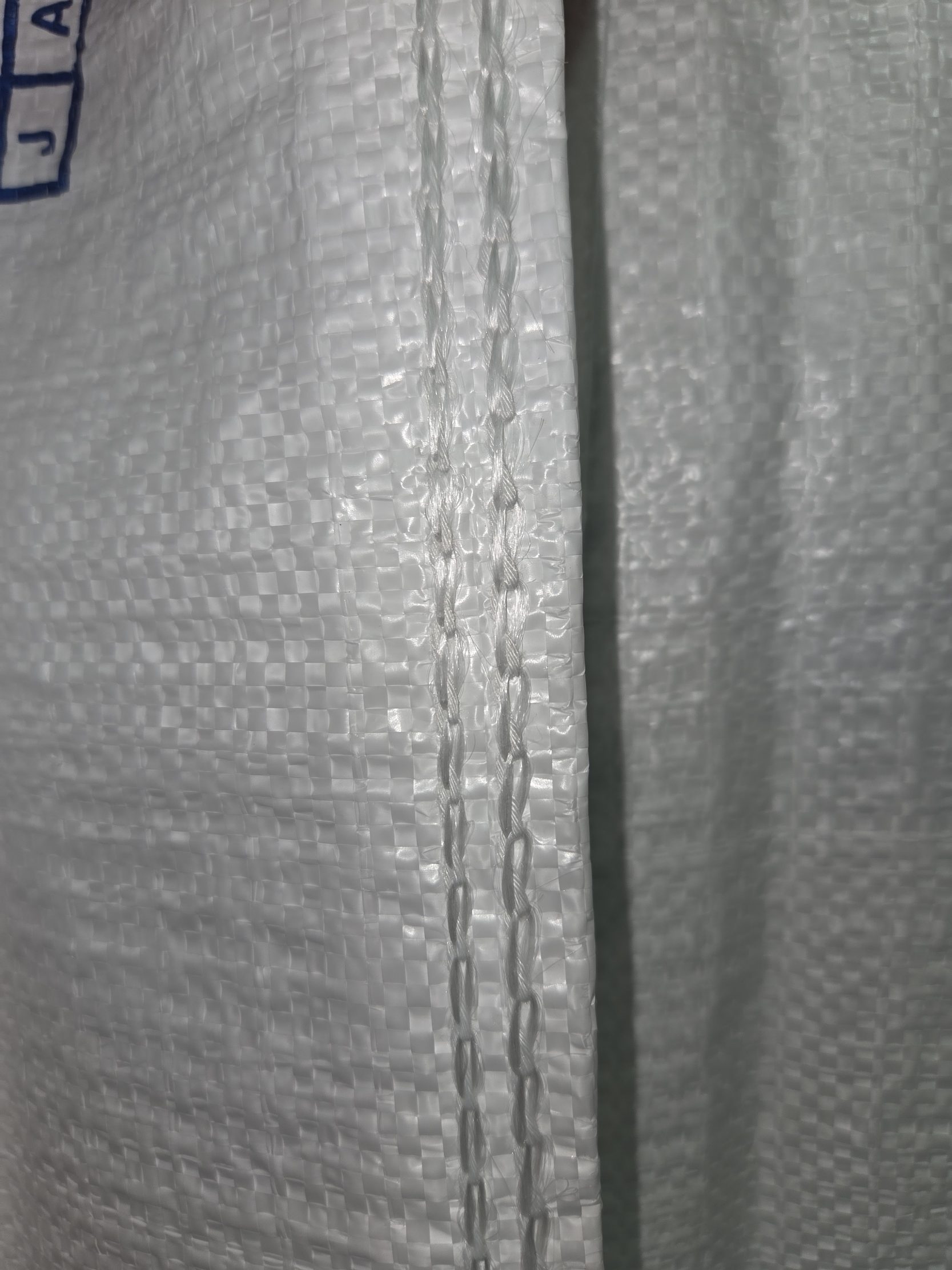
A double-thread chain stitch is created by a needle thread looping beneath the fabric to interlock with a looper thread, forming a chain-like pattern on the underside. It is the most widely used seam method in bulk bag manufacturing.
-
Strengths:
-
High Elasticity & Strength: Superior stretchability allows the seam to flex under sudden shock impacts, drop tests, and heavy stacking loads without snapping.
-
Continuous High-Speed Production: Uses continuous thread spools (no bobbins), drastically increasing sewing speed and manufacturing efficiency.
-
-
Weaknesses:
-
Unraveling Risk: If the trailing end of a chain stitch is cut or snagged without proper tie-off, the entire seam can unravel rapidly.
-
-
Cost Factor: Lowest / Most Cost-Effective (high-speed automation keeps per-unit production costs minimal).
Comparative Analysis: FIBC Stitching Methods
| Feature | Lock Stitch | Overlock Stitch | Chain Stitch |
| Primary Function | Structural locking & baffled bags | Edge protection & seam reinforcement | Main body side seams & heavy load seams |
| Elasticity / Stretch | Moderate | Moderate | High |
| Unraveling Resistance | Maximum (will not run) | High | Moderate (requires secure tie-off) |
| Fraying Protection | None | Maximum (encloses edges) | None |
| Production Speed | Slower (bobbin limits) | High | Very High |
| Relative Production Cost | Medium | Medium | Low |
Which Stitch Combination Do You Need?
-
Standard Bulk Cargo (Grains, Fertilizers, Minerals): Lock Stitch or Double-thread Chain Stitch combined with Overlock Stitch (Safety Stitch) offers the ideal balance of high strength, elasticity, and edge protection at the lowest cost.
-
Fine Powders (Chemicals, Flour, Pigments): Lock Stitch or Chain stitching paired with Dust-Proof Anti-Sifting Felt (Felt/Cord Sewing) to prevent fine particle leakage through needle holes.
-
Baffle Bags (Q-Bags) & Heavy Duty Spouts: Lock Stitching is frequently applied to internal baffles and tie-straps where absolute seam security against unraveling is critical.
Order Certified Heavy-Duty FIBC Bags Direct from Vietnam
Looking for engineered bulk packaging built to specific seam strength and Safe Working Load (SWL) specifications? Nghe An Packaging Joint Stock Company (NAPCO) custom manufactures FIBC jumbo bags direct from our Vietnamese production lines.
Request Technical Guidance & Export Quotes:
-
Website: Vietnam Jumbo Bag
-
Contact Person: Mr. Dien – Export Manager
-
Hotline / Direct Support: +84 98 549 5345 (WhatsApp, WeChat, Line, Viber, KakaoTalk)
-
Email: Dien@napco.com.vn