Food Safety & Regulatory Compliance Testing for Polypropylene (PP) Woven Bags
15/10/2026Food Safety & Regulatory Compliance Testing for Polypropylene (PP) Woven Bags
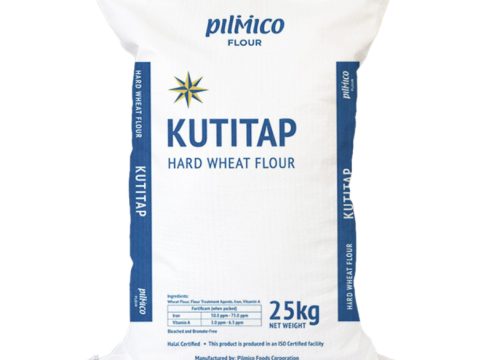
When packaging food products—such as rice, flour, sugar, starch, coffee beans, and animal feed ingredients—maintaining material hygiene and regulatory compliance is critical. Polypropylene (PP) woven bags and FIBC bulk containers coming into direct or indirect contact with food must not transfer harmful chemicals, heavy metals, or biological contaminants into the packaged goods.
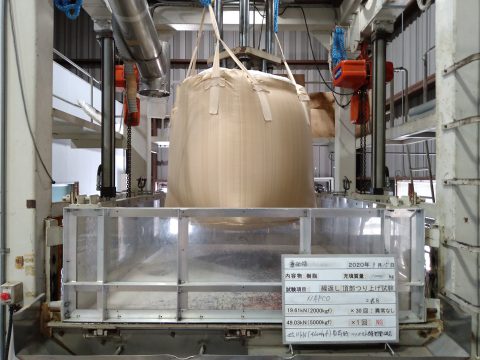
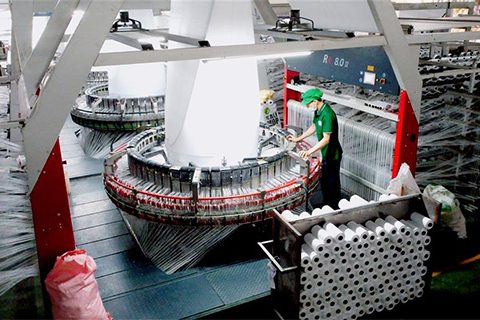
At Nghe An Packaging Joint Stock Company (NAPCO), our food-grade PP woven bags undergo rigorous laboratory analysis to satisfy international food safety protocols across North America, Europe, Latin America, and Asia.
Here is a technical overview of the primary food safety and chemical compliance tests required for food-grade PP woven packaging.
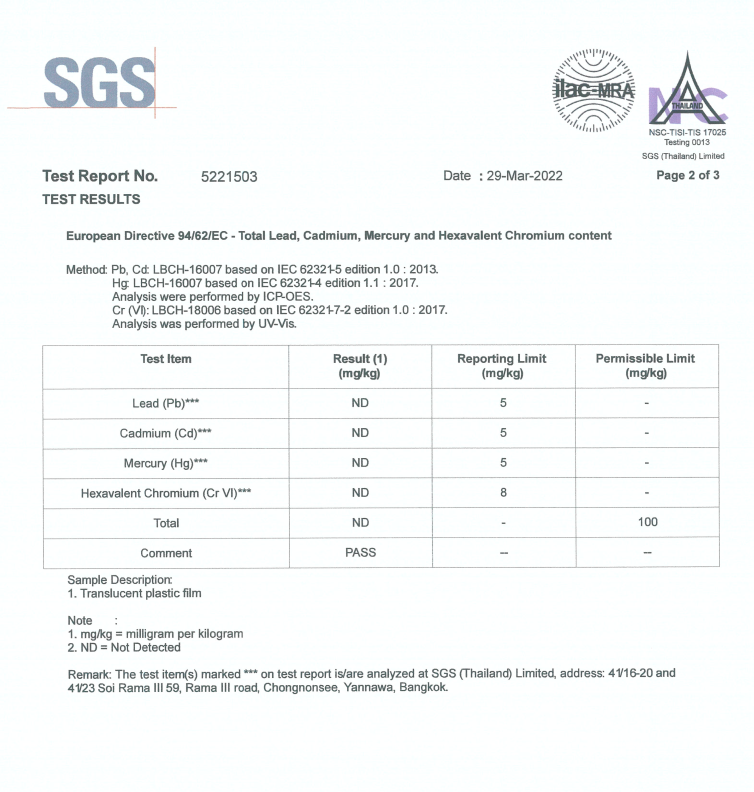
1. European Directive 94/62/EC (Heavy Metals in Packaging)
For exports entering the European Union, packaging must comply with EU Directive 94/62/EC regarding heavy metal concentration levels in packaging materials.
-
-
Target Metals: Total sum concentration of Lead (Pb), Cadmium (Cd), Mercury (Hg), and Hexavalent Chromium (Cr VI).
-
Compliance Limit: The combined sum of these four heavy metals must not exceed 100 ppm (100 mg/kg) across the entire bag structure (fabric, sewing thread, lamination, and print inks combined).
-
2. EU Regulation (EU) No 10/2011 & Amendment (EU) 2020/1245 (Overall Migration in MPPO)
Plastic materials intended to come into contact with food in the European market must comply with Commission Regulation (EU) No 10/2011 and its updated testing criteria under (EU) 2020/1245.
-
Test Method (Overall Migration for Dry Food): Uses Modified PolyPhenylene Oxide (MPPO / Tenax) as a dry food simulant to test overall chemical migration levels from the PP fabric.
-
Testing Conditions: Simulates prolonged storage times and temperature variations (e.g., elevated thermal filling or tropical transit).
-
Compliance Standard: Overall migration must not exceed the strict limit of 10 mg/dm² of food contact surface area, proving the packaging is chemically inert and completely safe for dry food ingredients.
3. Physicochemical Testing
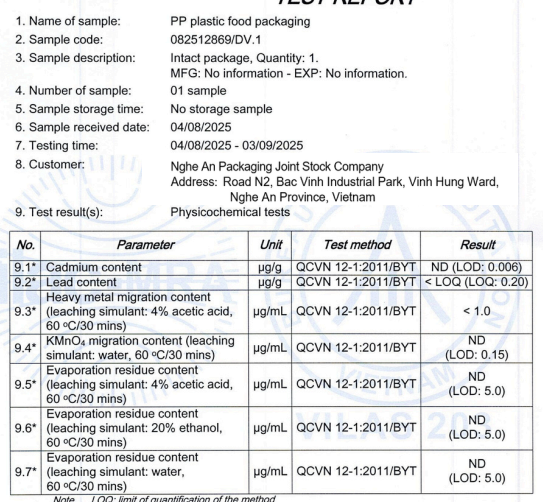
Physicochemical testing evaluates the physical integrity, chemical stability, and purity of the PP polymer when subjected to various environmental exposures.
-
Key Parameters Tested:
-
Odors & Volatile Compounds: Ensures fabric and lamination films are completely odorless, preventing aroma transfer to sensitive dry foods like rice or milk powder.
-
Residue on Evaporation: Measures non-volatile substance release when fabric samples interact with simulant solvents.
-
Decolorization & Bleeding: Confirms masterbatch color pigments remain fully bound to the polymer matrix and will not bleed under high heat or friction.
-
4. Phthalate Content (US California Proposition 65 Compliance)
Phthalates are plasticizers historically used to increase plastic flexibility. Due to their status as potential endocrine disruptors, strict limits apply under California Proposition 65 and US Consumer Product Safety Improvement Act (CPSIA) standards.
-
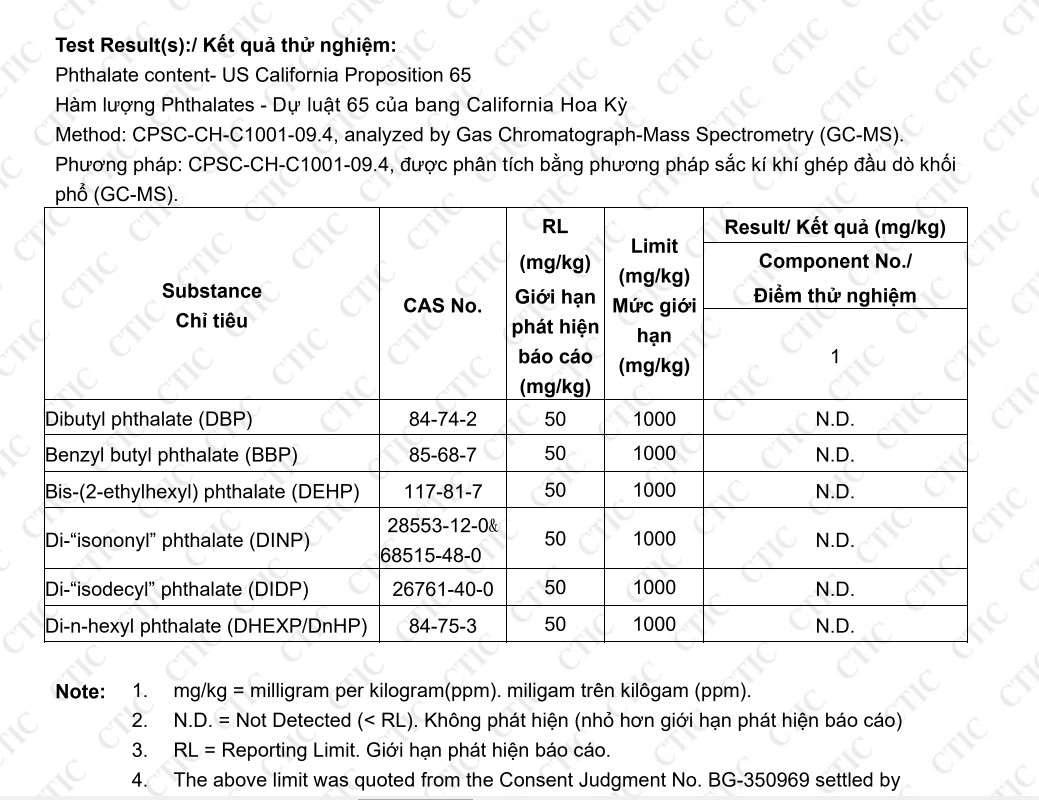
Test Scope: Screened for restricted phthalate compounds, including DEHP, DBP, BBP, DINP, DIDP, and DNOP.
-
Compliance Requirement: Polypropylene packaging must contain less than 0.1% (1,000 ppm) total concentration for each restricted phthalate to comply with California Prop 65 enforcement actions and avoid mandatory warning labels.
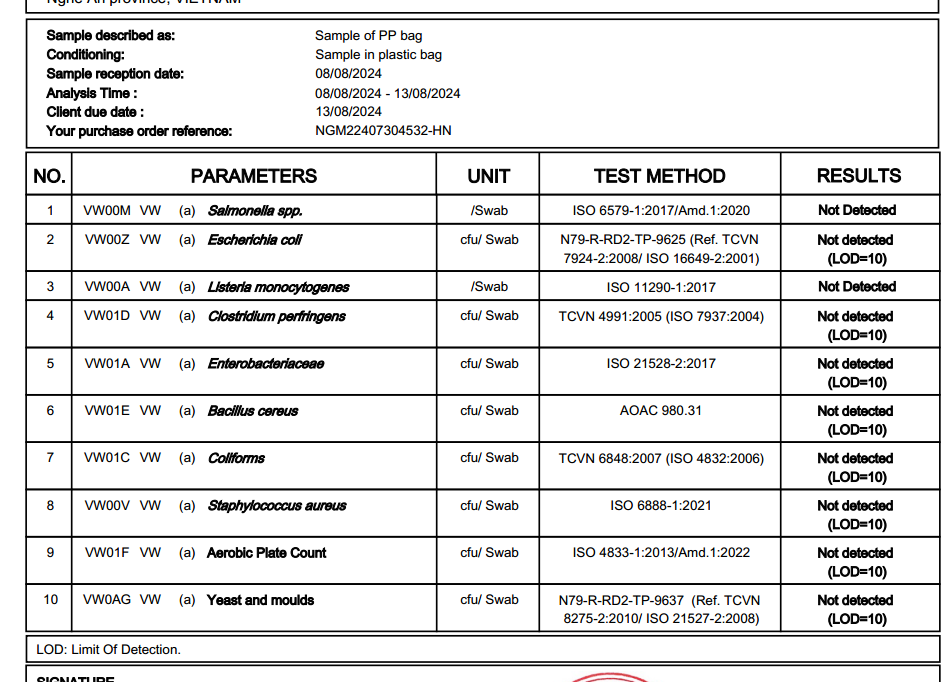
5. Microbiological & Bacterial Testing
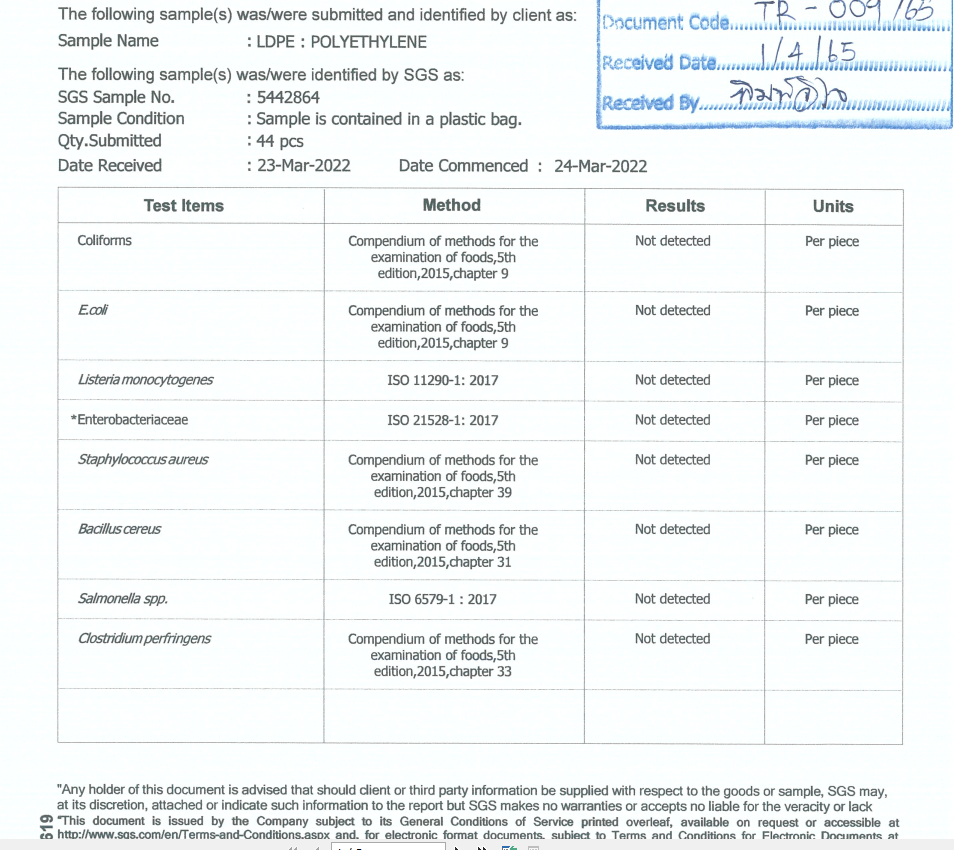
Food-grade packaging manufactured or stored in non-hygienic environments can harbour mold, yeast, or bacterial pathogens that contaminate food cargo.
-
Test Scope: Swab sampling and plate counts to verify total aerobic microbial count (TAMC), total combined yeasts and molds count (TYMC), alongside screening for pathogens such as E. coli, Salmonella, and Staphylococcus aureus.
-
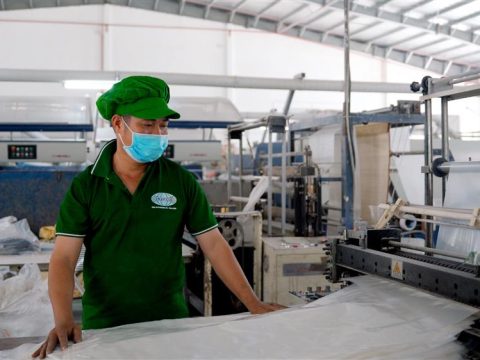
Production Standard: Cleanroom or semi-cleanroom manufacturing practices—including clean air filtration, anti-insect air curtains, and worker sanitization—are applied to maintain near-zero microbial counts.
Summary of Key Food Safety Standards for PP Packaging
| Regulatory Standard | Target Parameter / Parameter Scope | Maximum Permissible Limit |
| Heavy Metals Test | Lead, Cadmium, Mercury, Arsenic | Below threshold ppm levels |
| US California Prop 65 | Total Phthalate Content (DEHP, DBP, BBP, etc.) | Less than 0.1% (1,000 ppm) per compound |
| Microbiological Test | Aerobic bacteria, mold, yeast, E. coli, Salmonella | Hygienic / Pathogen-free standard |
| EU Directive 94/62/EC | Sum of Lead, Cadmium, Mercury, and Hexavalent Chromium | Less than 100 ppm total |
| EU No 10/2011 & (EU) 2020/1245 | Overall Migration in MPPO (Tenax) for dry food | Less than 10 mg/dm² |
Partner with Nghe An Packaging Joint Stock Company (NAPCO) for Certified Food-Grade PP Packaging
At Nghe An Packaging Joint Stock Company (NAPCO), we produce 100% virgin PP woven bags and FIBC bulk containers certified against US FDA, California Prop 65, and European Union food contact regulations.
Contact NAPCO’s Export Team for Food-Grade Certificates & Test Reports:
-
Website: https://vietnamjumbobag.com/
-
Export Manager: Mr. Dien
-
Hotline / Direct Support: +84 98 549 5345 (Available on WhatsApp, WeChat, Line, Viber, KakaoTalk)
-
Email: Dien@napco.com.vn