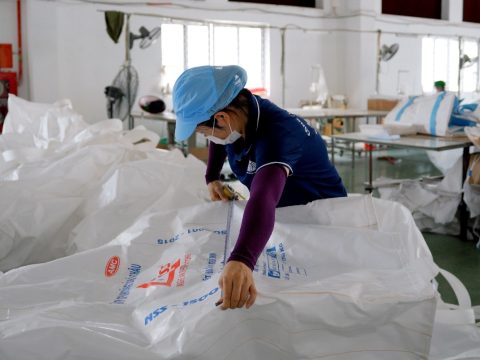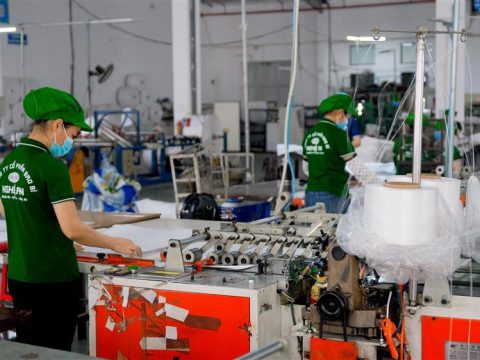
ISO 21898 and ASTM G154 Cycle 3 UV Testing for FIBC Bulk Bags
26/08/2026In global industrial logistics, safety and packaging integrity are non-negotiable. Flexible Intermediate Bulk Containers (FIBCs), commonly known as bulk bags, carry up to 2,000 kg of heavy materials across global supply chains. A single structural failure during transport or outdoor storage can cause severe cargo loss, environmental hazards, and costly workplace injury.
To prevent such failures, international packaging manufacturers must adhere strictly to ISO 21898 for overall mechanical performance and ASTM G154 Cycle 3 for ultraviolet (UV) weathering resistance.
What is the ISO 21898 Standard for FIBC Bulk Bags?
ISO 21898 is the premier international standard governing non-dangerous goods FIBC bulk bags. It sets mandatory specifications for raw materials, construction design, and structural testing methods to ensure bulk bags perform safely under real-world stress.
Core Testing Protocols Under ISO 21898
-
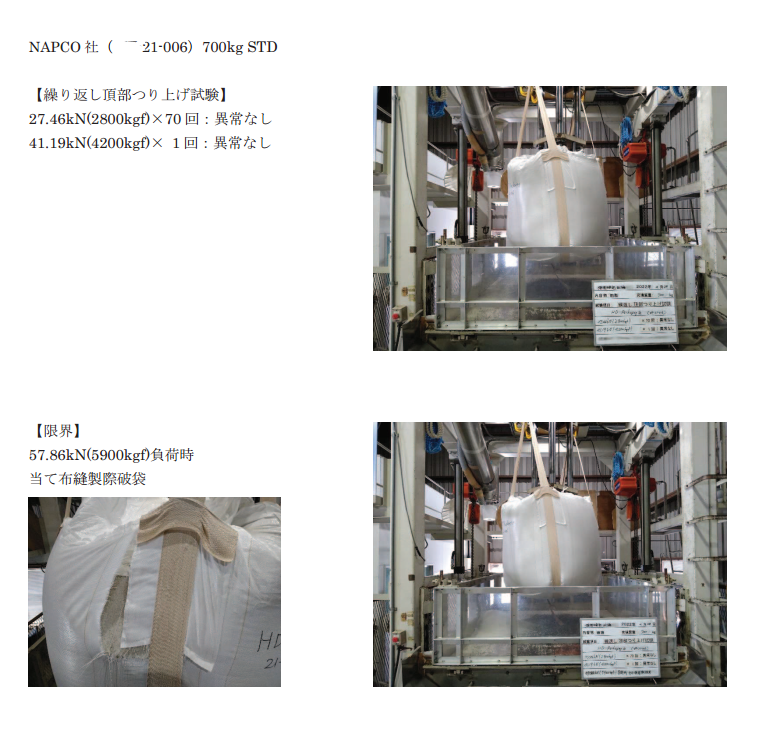
Cyclic Top Lift Test: Verifies loop endurance. The bag is filled and subjected to 30 continuous lifting cycles at 2 times the Safe Working Load (SWL), followed by a final pull to failure to verify the Safety Factor (SF).
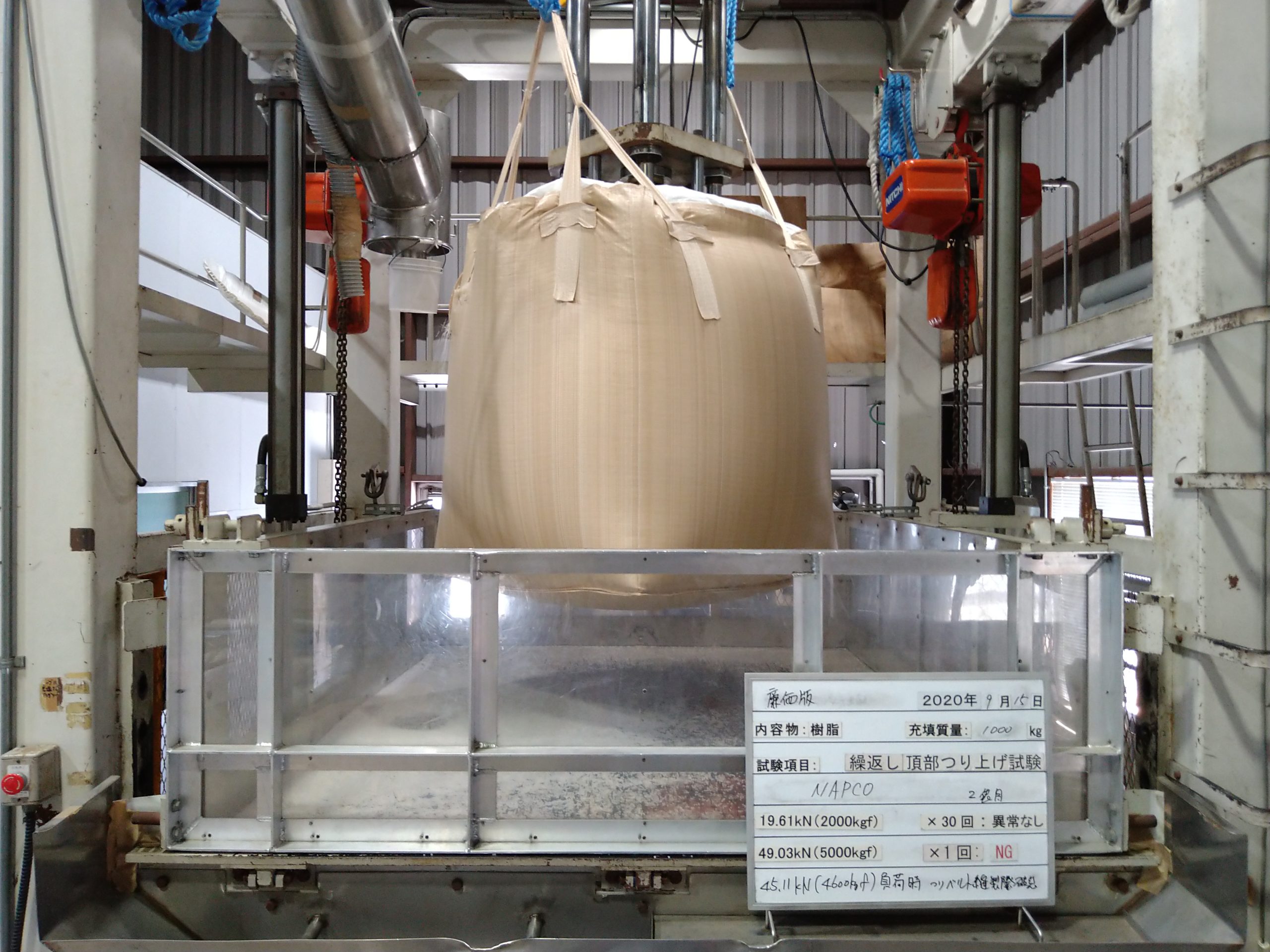
FIBC bag top lift test in Nghe An Packaging Joint Stock Company -
Compression / Stacking Test: Evaluates warehouse stack performance. A hydraulic platen exerts a calculated downward force on a filled FIBC to test fabric and seam stability over extended durations.
-
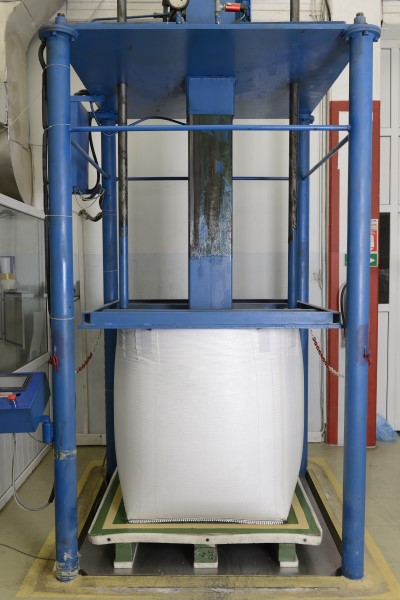
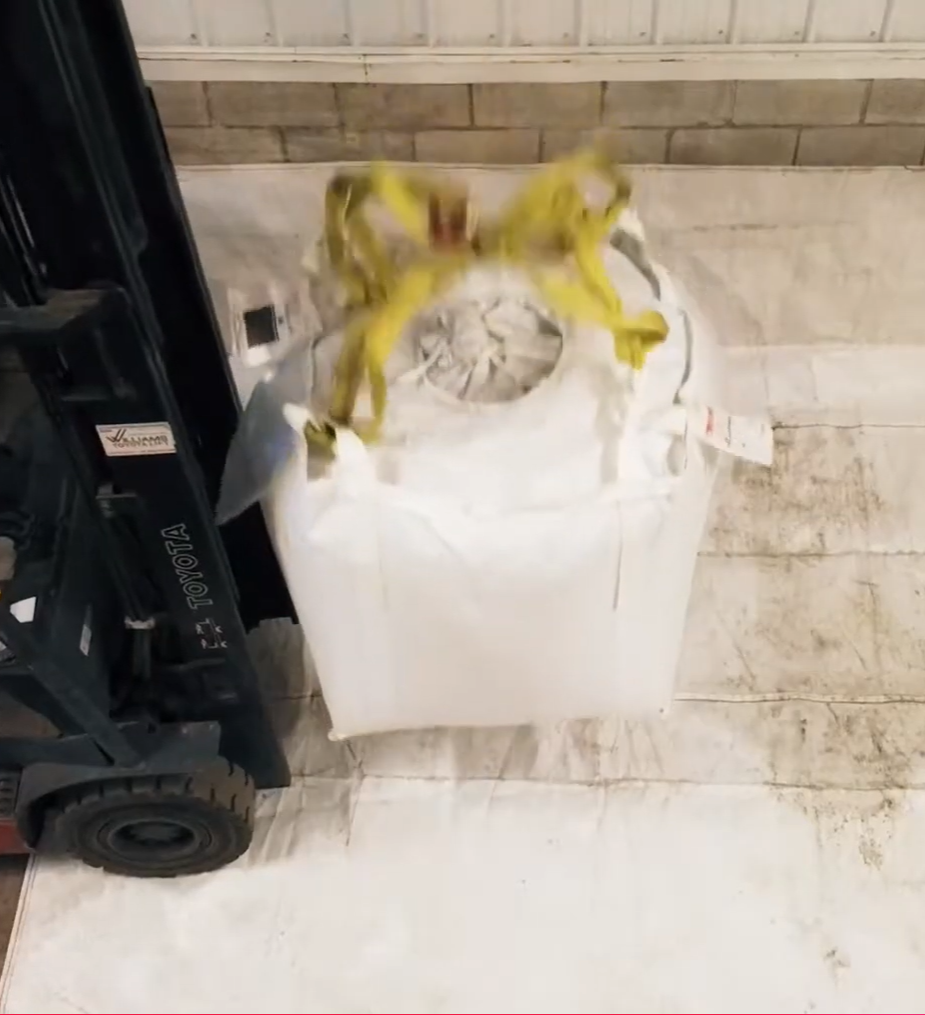
FIBC bag stacking test in Nghe An Packaging Joint Stock Company - Drop and Topple Tests: Assesses bottom-seam burst resistance and structural integrity during accidental falls or spills during forklift operations.
-
Component Strength Validation: Uses Universal Tensile Testing Machines (UTM) to measure the raw tensile strength of the woven polypropylene (PP) fabric, sewing thread, and webbing loops.
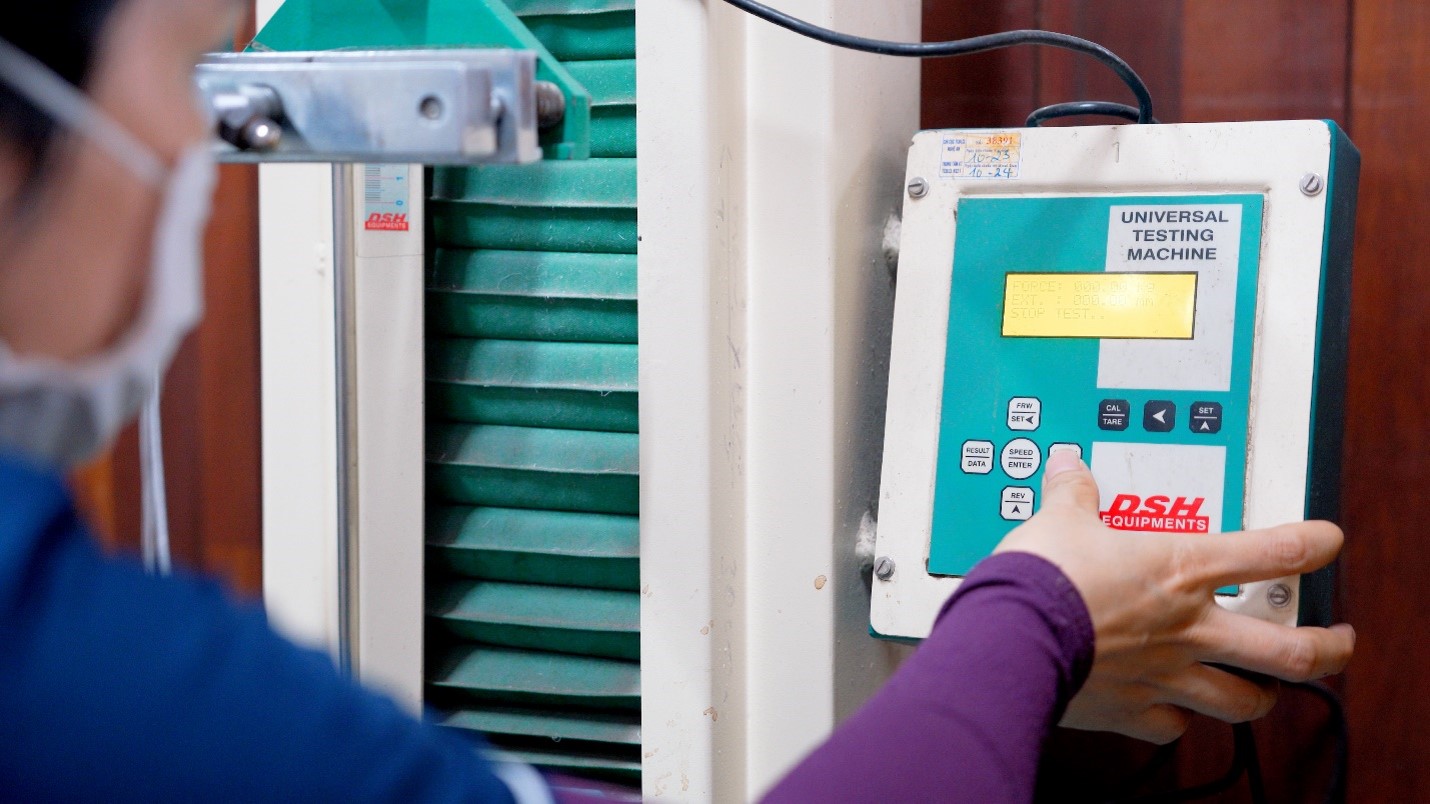
FIBC bag strength test in Nghe An Packaging Joint Stock Company
Key Safety Factor (SF) Classifications
| FIBC Type | Safety Factor (SF) | Design Purpose | Reusability |
| Single-Trip Bag | 5:1 | One-way export or short-distance transit | Non-reusable |
| Multi-Trip Bag | 6:1 | Closed-loop internal supply chain | Reusable (Heavy-duty) |
| UN Certified Bag | Variable | Hazardous goods transportation | Regulated under UN dangerous goods |
as you can see below, our bags pass the safety factory: 8:1
Why FIBCs Need UV Protection: The Science of Polypropylene Degradation
Untreated Polypropylene (PP) is highly sensitive to solar ultraviolet radiation. Solar UV rays attack the molecular chains of the polymer through photo-oxidation, making the fabric brittle, chalky, and prone to catastrophic ripping under normal loads.
Because FIBCs are often stored outdoors on construction sites, port terminals, and agricultural fields, integrating UV stabilizers (like HALS – Hindered Amine Light Stabilizers) into the PP resin mixture is vital.
Accelerated UV Resistance Testing: ASTM G154 Cycle 3 Explained
While ISO 21898 sets general material performance criteria, ASTM G154 is the industry standard practice for operating fluorescent ultraviolet lamp apparatus to expose non-metallic materials. Among its various test profiles, Cycle 3 is widely specified for heavy-duty industrial packaging due to its rigorous simulation of extreme outdoor climates.
Standard Test Parameters for ASTM G154 Cycle 3
-
Lamp Type: UVA-340 lamps (which closely replicate the sunlight spectrum in the critical short-wavelength range between 295 nm and 365 nm).
-
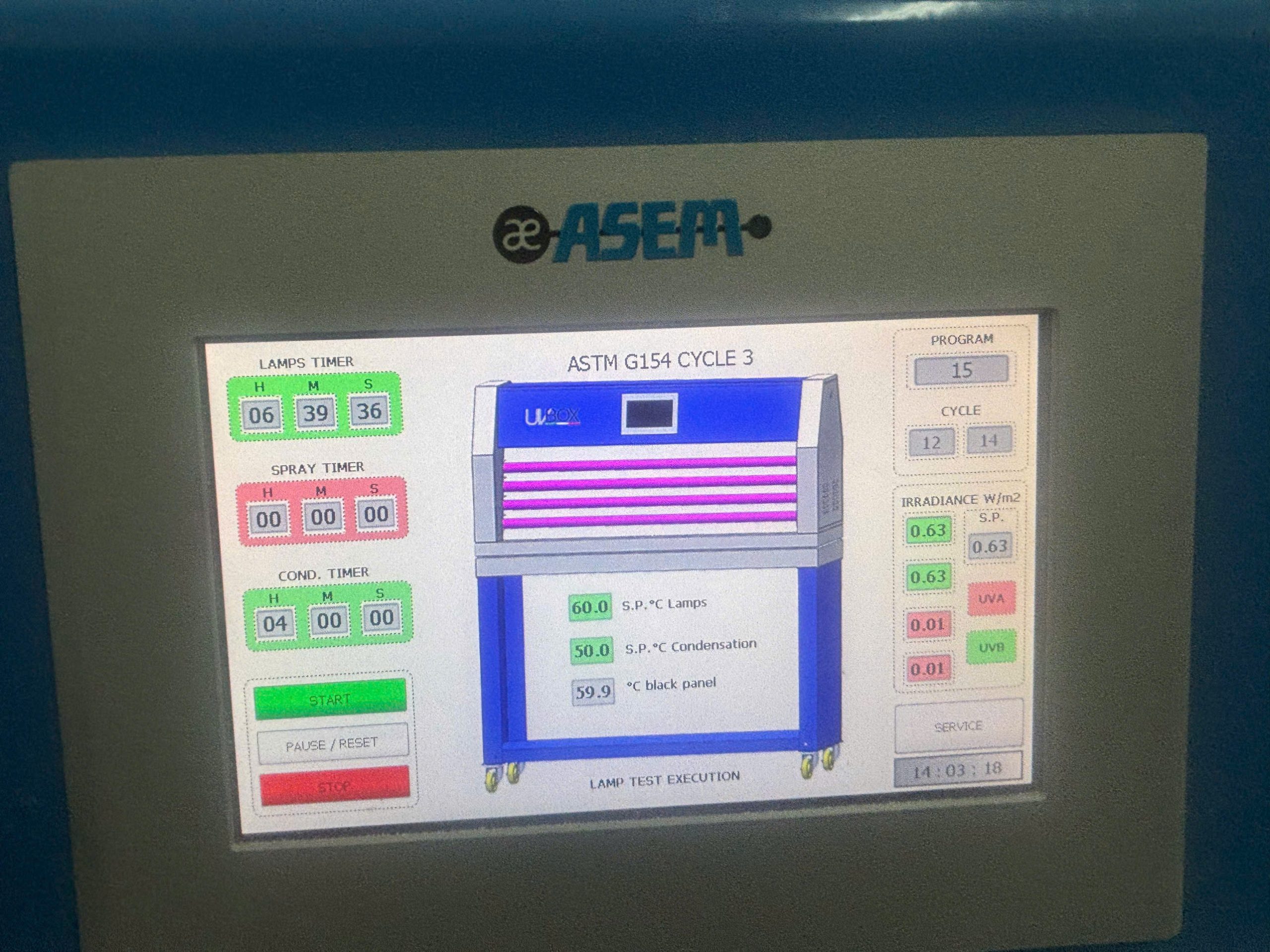
Irradiance Level: Set at $0.89 W/m2/nm at 340nm
-
Exposure Cycle: 8 hours of UV exposure at a black panel temperature of 60 celcius degrees followed by 4 hours of dark condensation at celcius degrees.
-
Exposure Duration: Typically conducted for 200 to 1,000 continuous hours depending on buyer and climatic requirements.
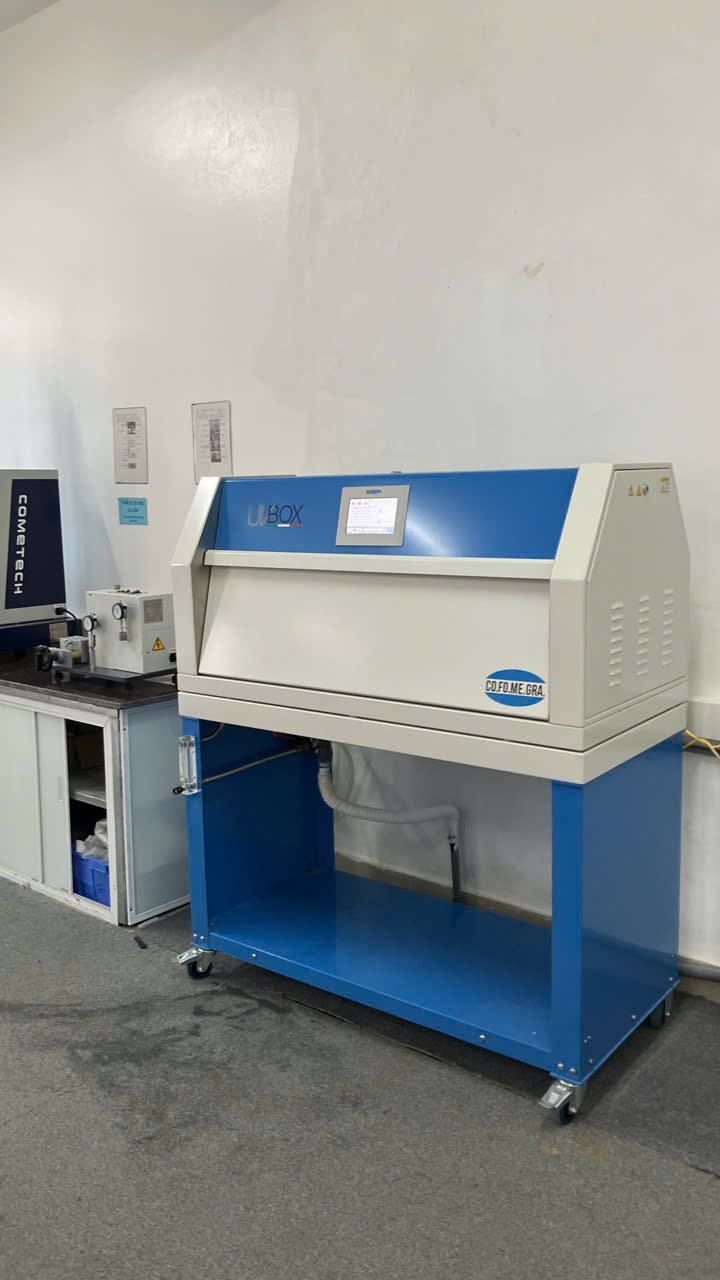
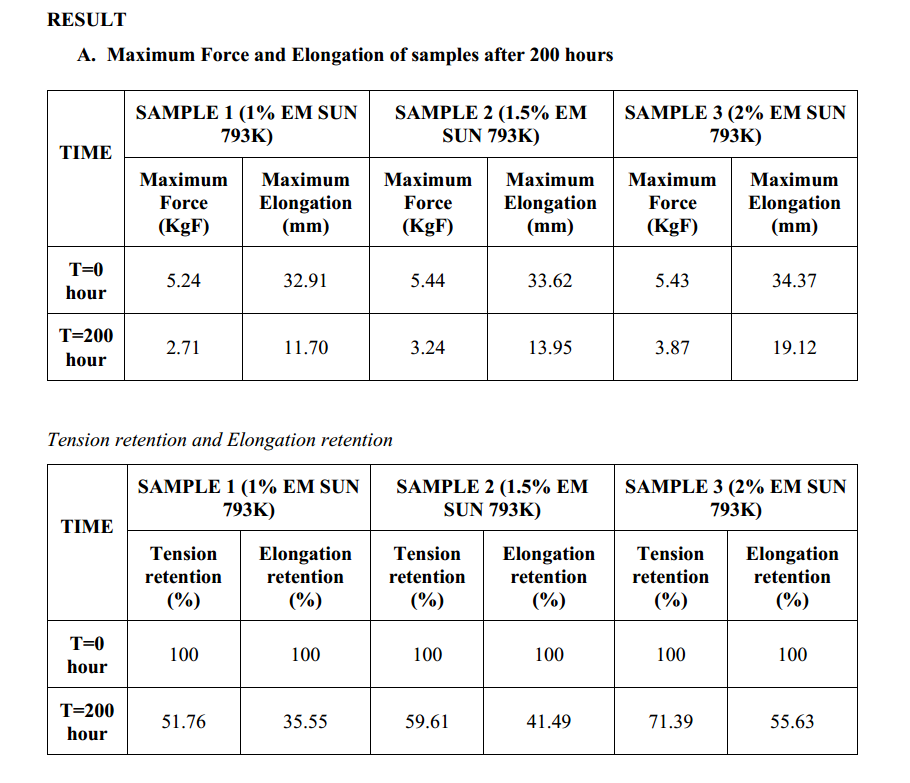
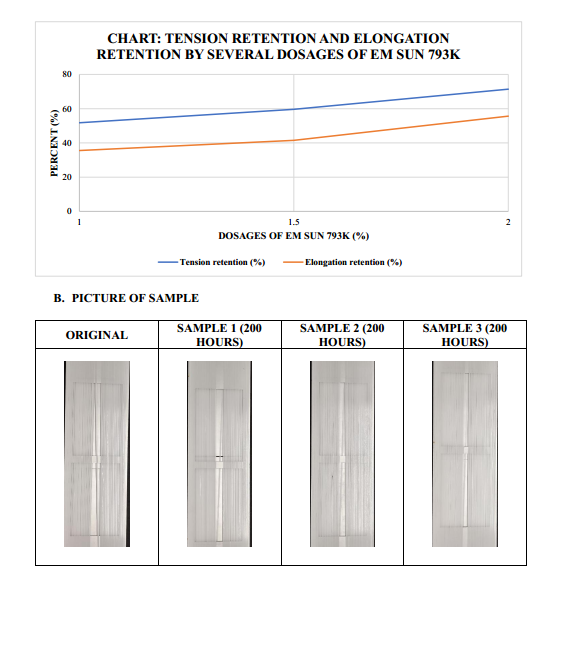
After the specified ASTM G154 Cycle 3 exposure in a specialized environmental chamber, the exposed FIBC fabric samples are subjected to tensile testing. Under standard quality benchmarks, the weathered fabric must retain at least 50% to 80% of its original tensile strength to pass compliance.
Our UV test equipment and results of our UV-protected fabric:
Business Benefits of ISO 21898 and ASTM G154 Compliance
-
Ensures International Compliance: Satisfies strict import requirements across Europe, North America, and Australia.
-
Minimizes Product Loss: Prevents sudden bag rupture caused by solar degradation and fatigue stress.
-
Protects Brand Reputation: Delivers certified, heavy-duty industrial packaging that guarantees safety for handlers and logistics personnel.
By combining the structural engineering rigor of ISO 21898 with the advanced accelerated weathering of ASTM G154 Cycle 3, packaging manufacturers can deliver FIBC bulk bags built to withstand the toughest transport and environmental conditions.
Visit vietnamjumbobag.com today to browse our full 2026 catalog, download technical data sheets, and request a factory-direct container quote to your nearest Australian port.
- Dien – Export Manager: +84 98 549 5345 (Whatsapp, Wechat, Line, Viber, Kakao talk)
- Email: Dien@napco.com.vn
- Website: https://vietnamjumbobag.com/