Polypropylene (PP) Woven Bags Quality control – valued knowledge for sharing customers
01/09/2026Polypropylene (PP) Woven Bags Quality control – valued knowledge for sharing customers – in order to mutually control best quality.
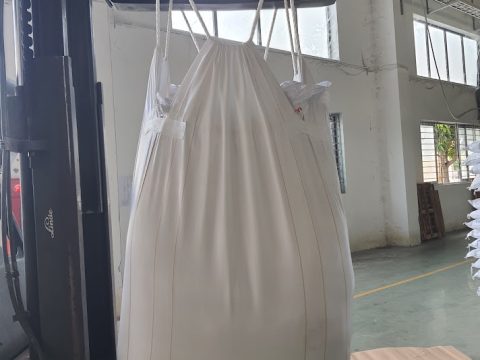
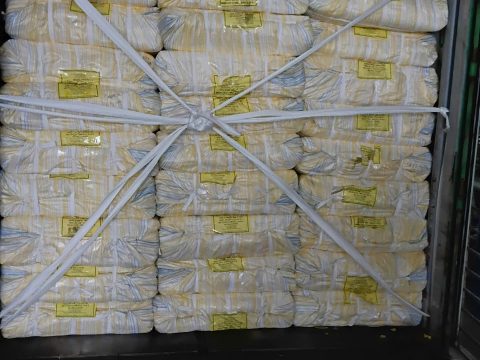
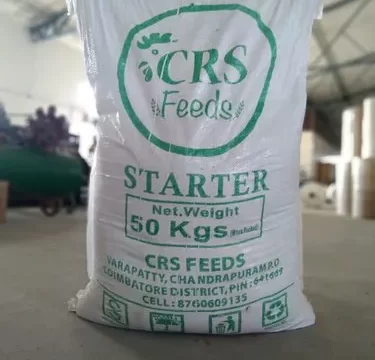
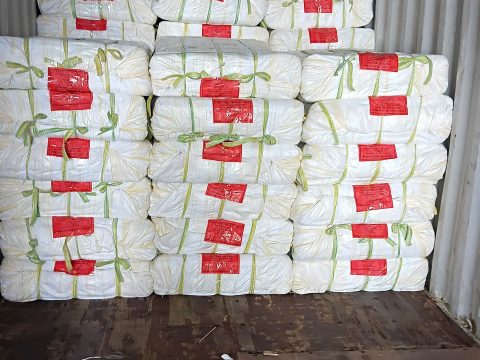
Polypropylene (PP) woven bags are the industry standard for packaging grain, sugar, animal feed, fertilizers, and industrial chemicals. But, ensuring that every batch bears long-distance transport, stacking pressure, and harsh handling requires strict Quality Control.
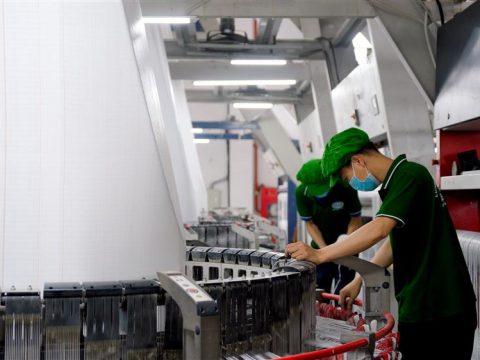
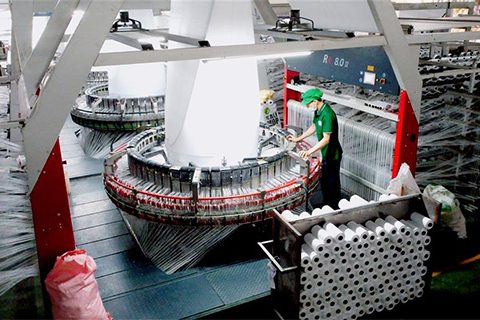
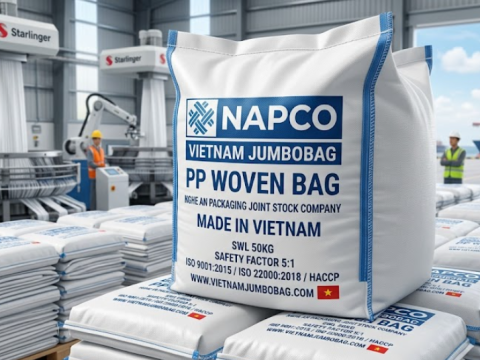
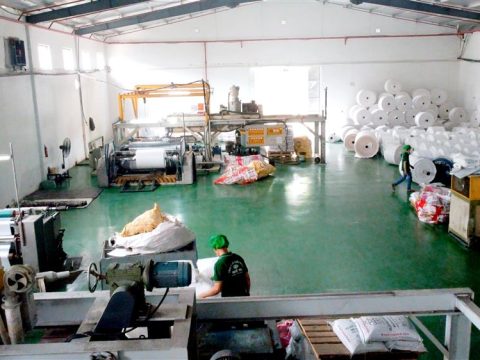
At Nghe An Packaging Joint Stock Company ( NAPCO ), we apply thorough testing across every manufacturing phase—from resin extrusion to final drop testing. Here is a comprehensive breakdown of the essential quality standards for high-performance PP woven bags.
1. Basic Physical Quality Standards
The structural integrity of a PP woven bag depends directly on fabric density, weaving quality, dimensions, and mechanical tensile strength.
-
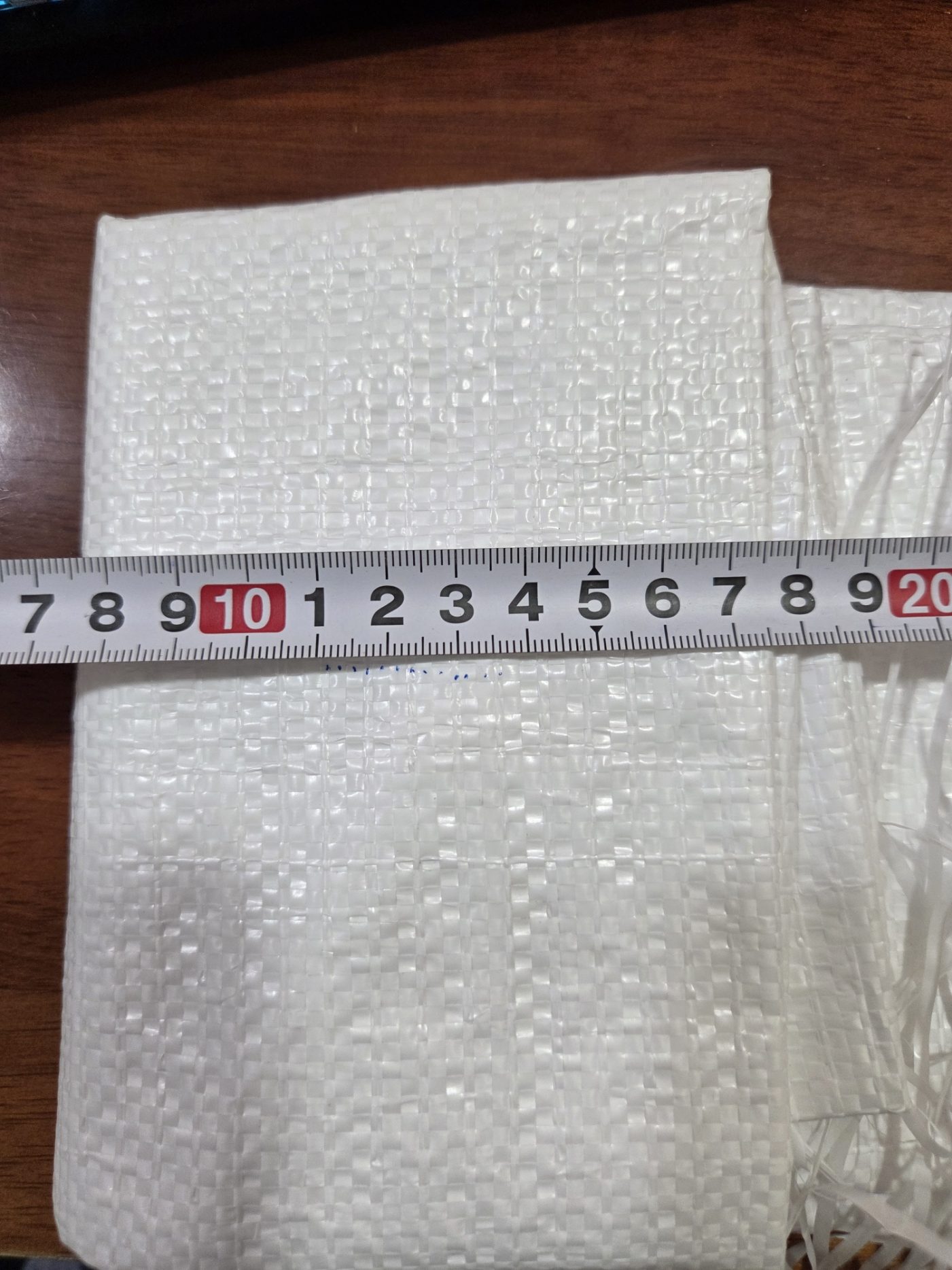
Mesh (Density Count): Measured as the number of warp and weft tapes per square inch (e.g., 10-12 thread per inch). Higher mesh counts provide greater fabric density and tear resistance.
PP woven bag – Mesh count -
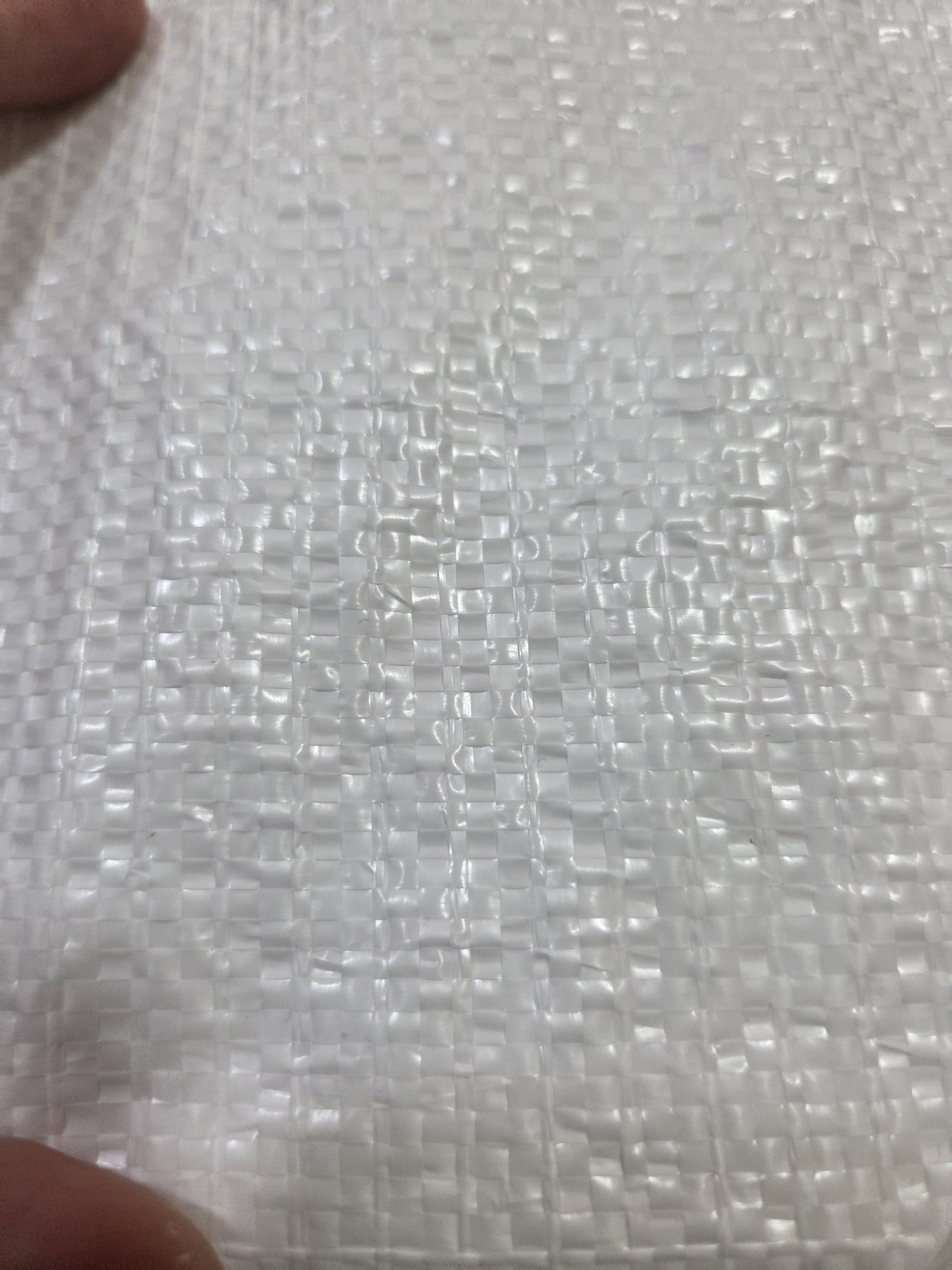
Weaving Pattern: Must present a uniform flat weave (or circular weave) free of missed threads, loose tapes, or physical gaps that compromise fabric strength: 2:1 squeeze, 5:1 squeeze.
PP woven bag – Weaving pattern -
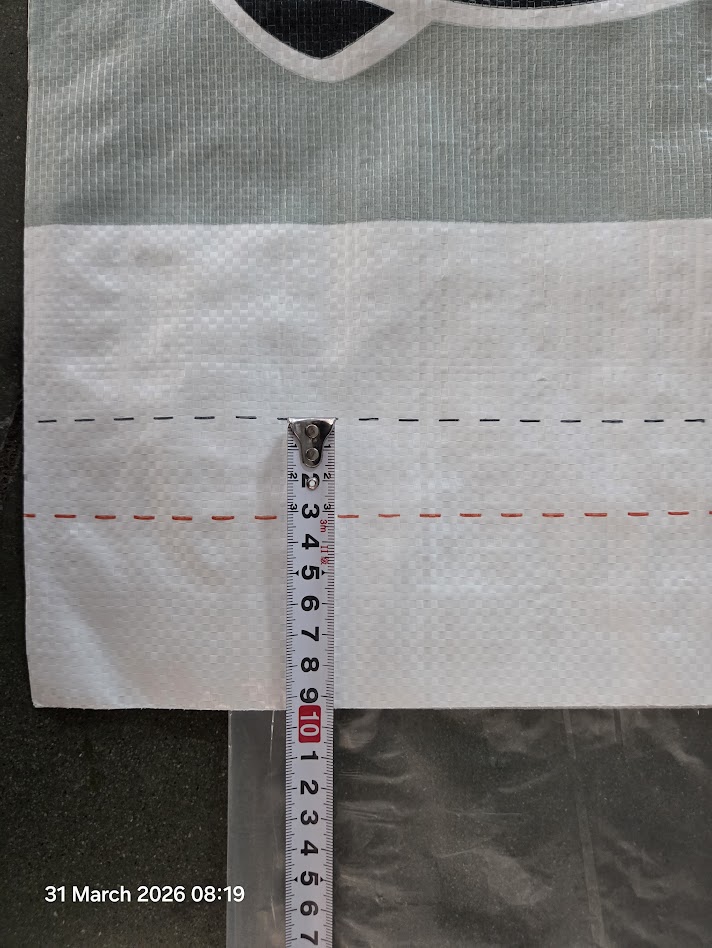
Size Tolerance & Effective Size: Bags must be measured flat from edge-to-edge. Standard manufacturing tolerance allows a variation of +-1cm for width and +-1.5cm for length to ensure full filling capacity (effective size).
PP woven bag – Measure size -
Tensile Strength: Evaluates the maximum load the fabric tape can handle before filling. Tested along both the Warp (vertical) and Weft (horizontal) directions using standard strip tensile testing methods.
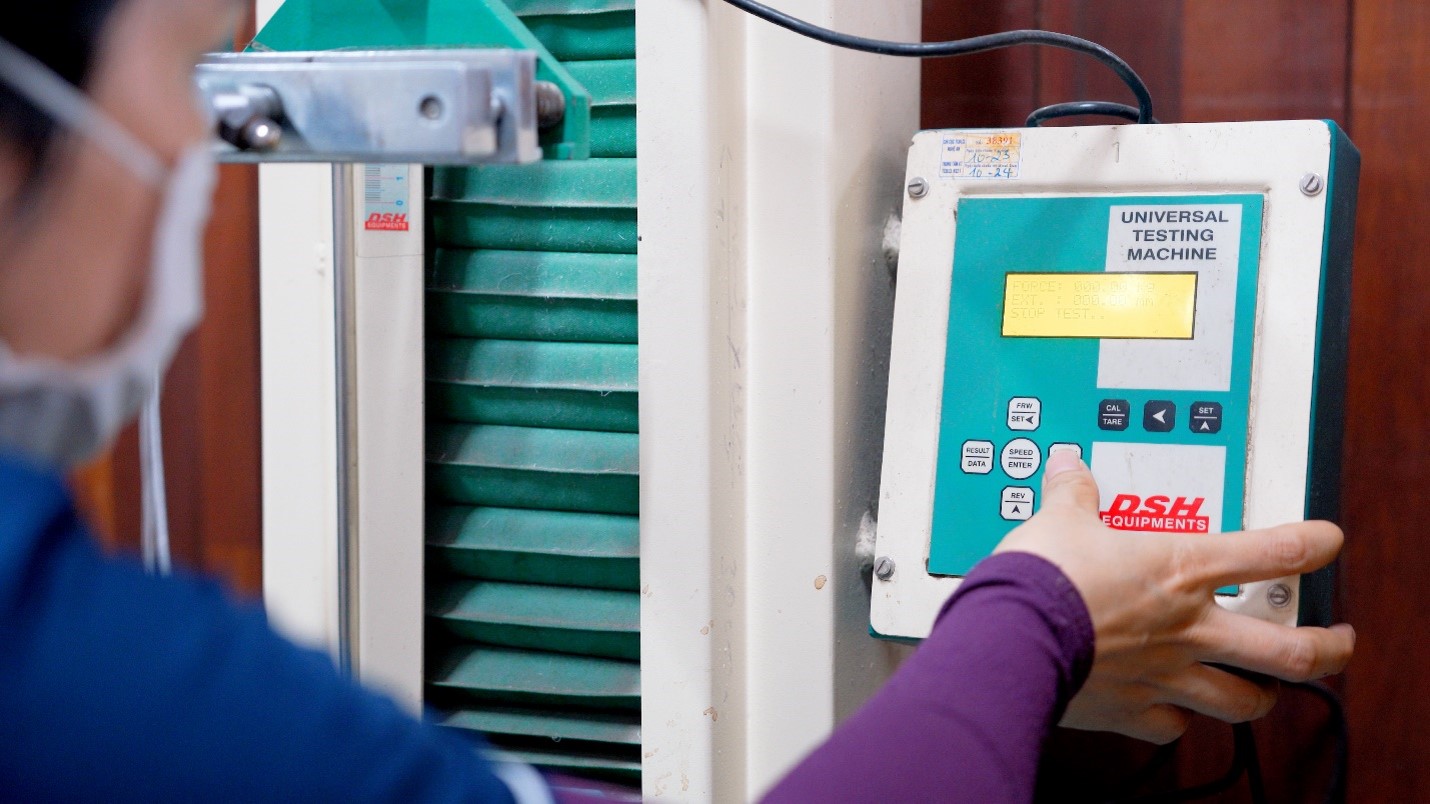
PP woven bag strength test in Nghe An Packaging Joint Stock Company -
Elongation at Break: Measures fabric elasticity. Standard PP woven fabric must maintain an elongation percentage between $15\%$ and $25\%$ to absorb impact without bursting.
-
Stitching Standards:
-
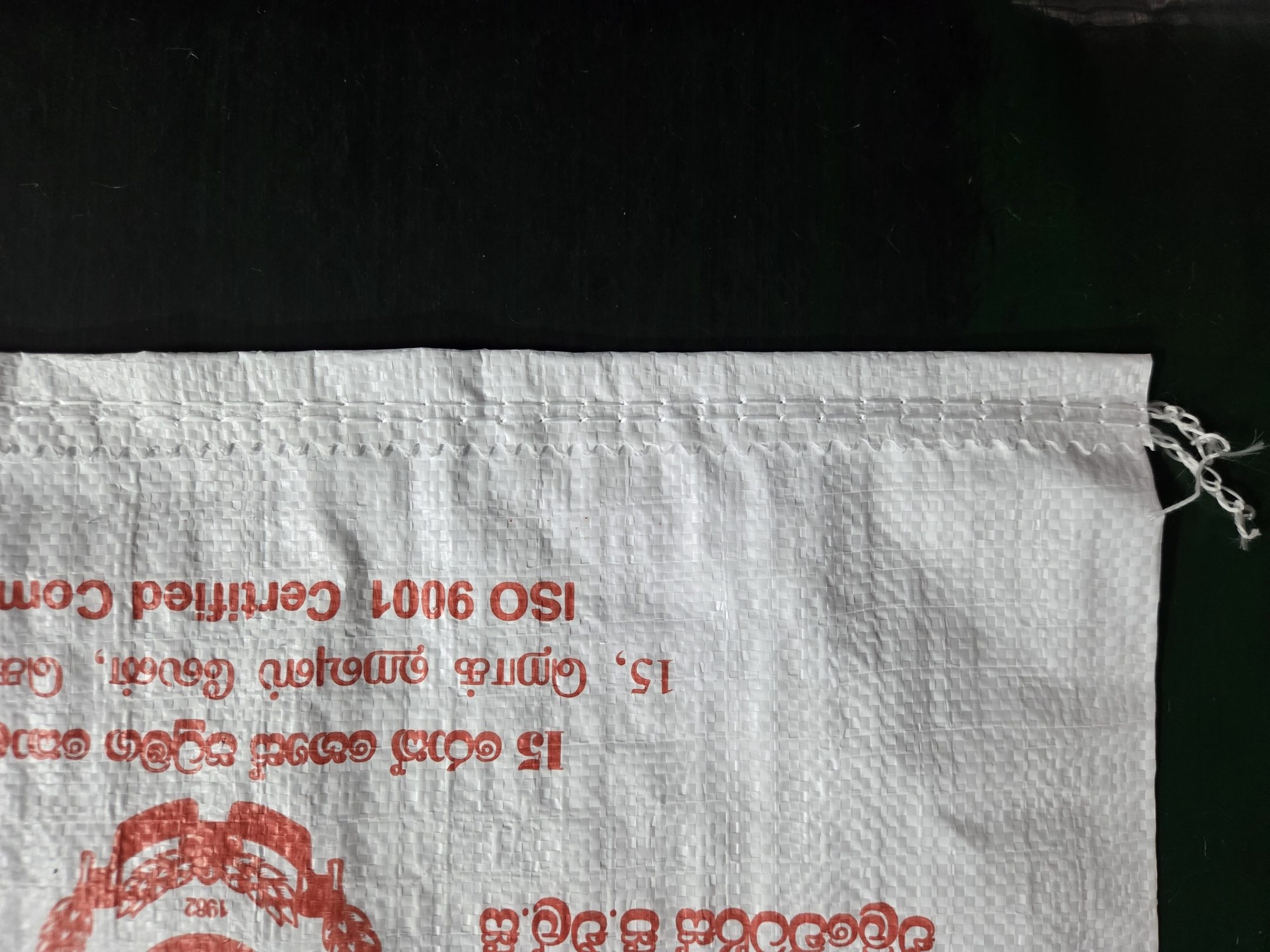
Stitch Step (Pitch): Typically 8-12 stitches / 10cm to prevent fabric tearing along the seam.
-
Seam Tensile Strength: Bottom and top hem stitching must retain at least 50% of the main fabric’s tensile strength.
PP woven bag Bottom Stitches
-
2. Specific Quality Standards for Flexographic & Gravure Printing
For branded bulk packaging, print clarity and ink adhesion are critical for brand presentation and barcoding.
-
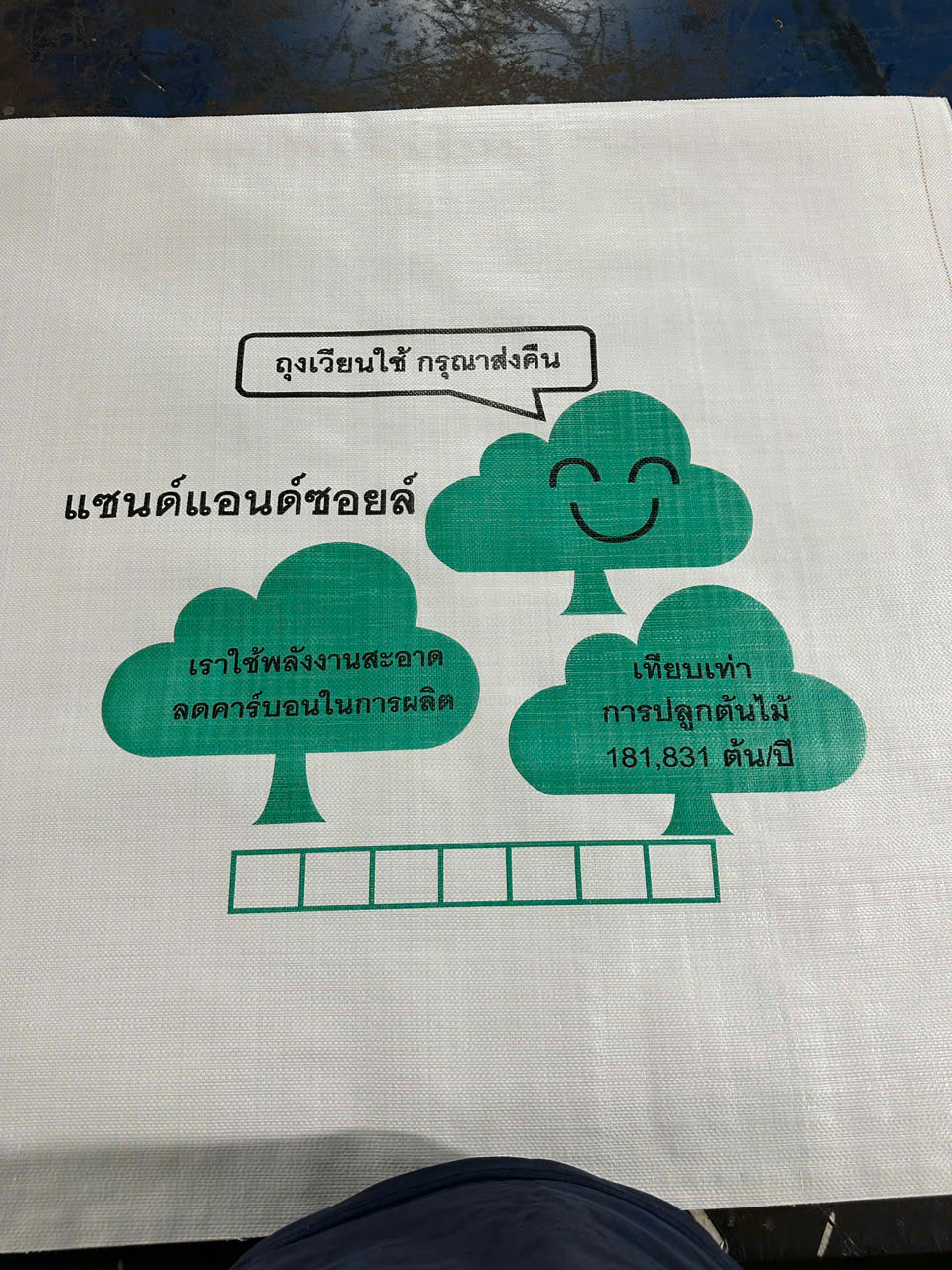
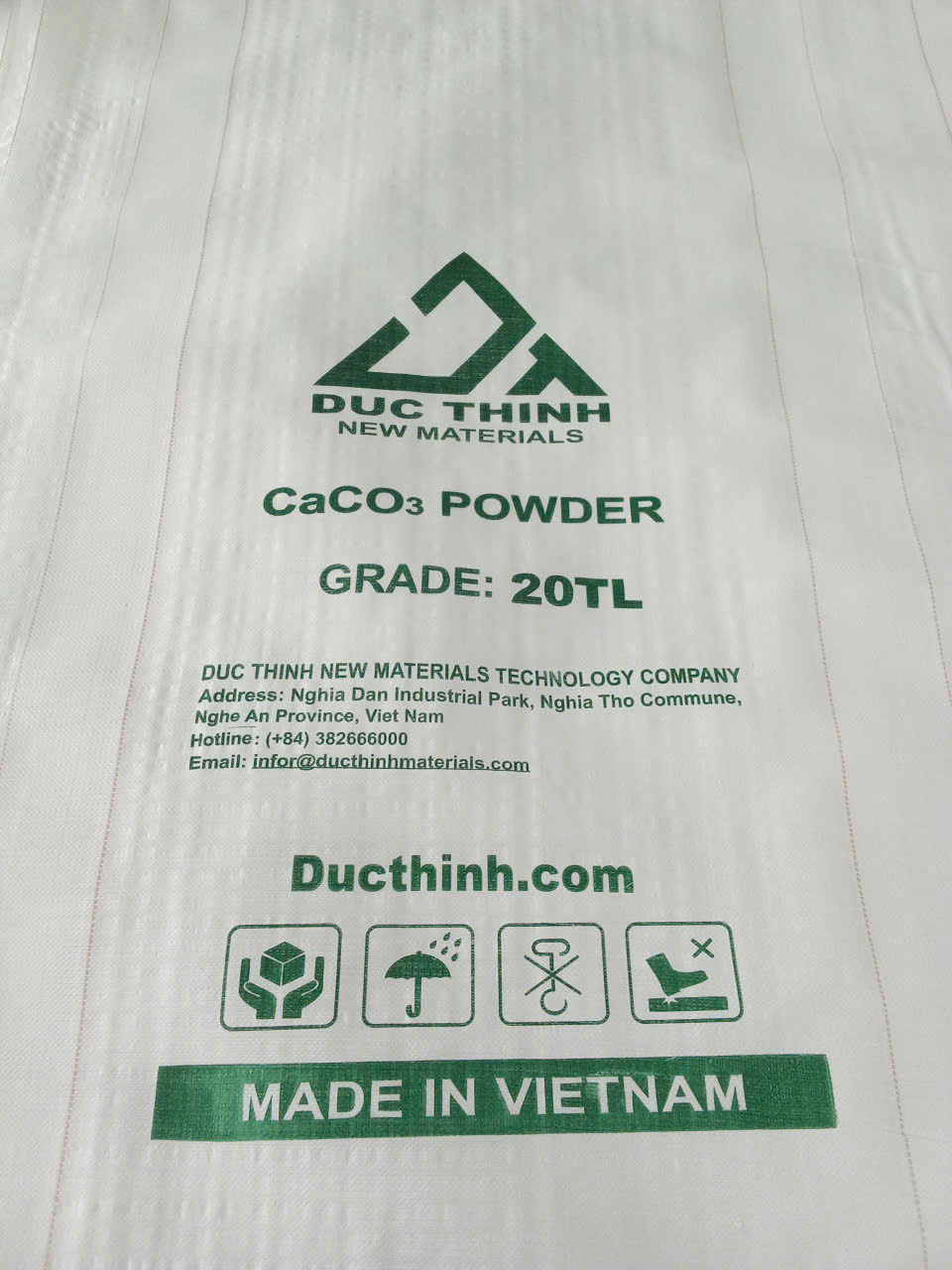
Content & Layout Accuracy: Verification against approved artwork proofs for correct text spelling, barcode readability, and graphic alignment.
-
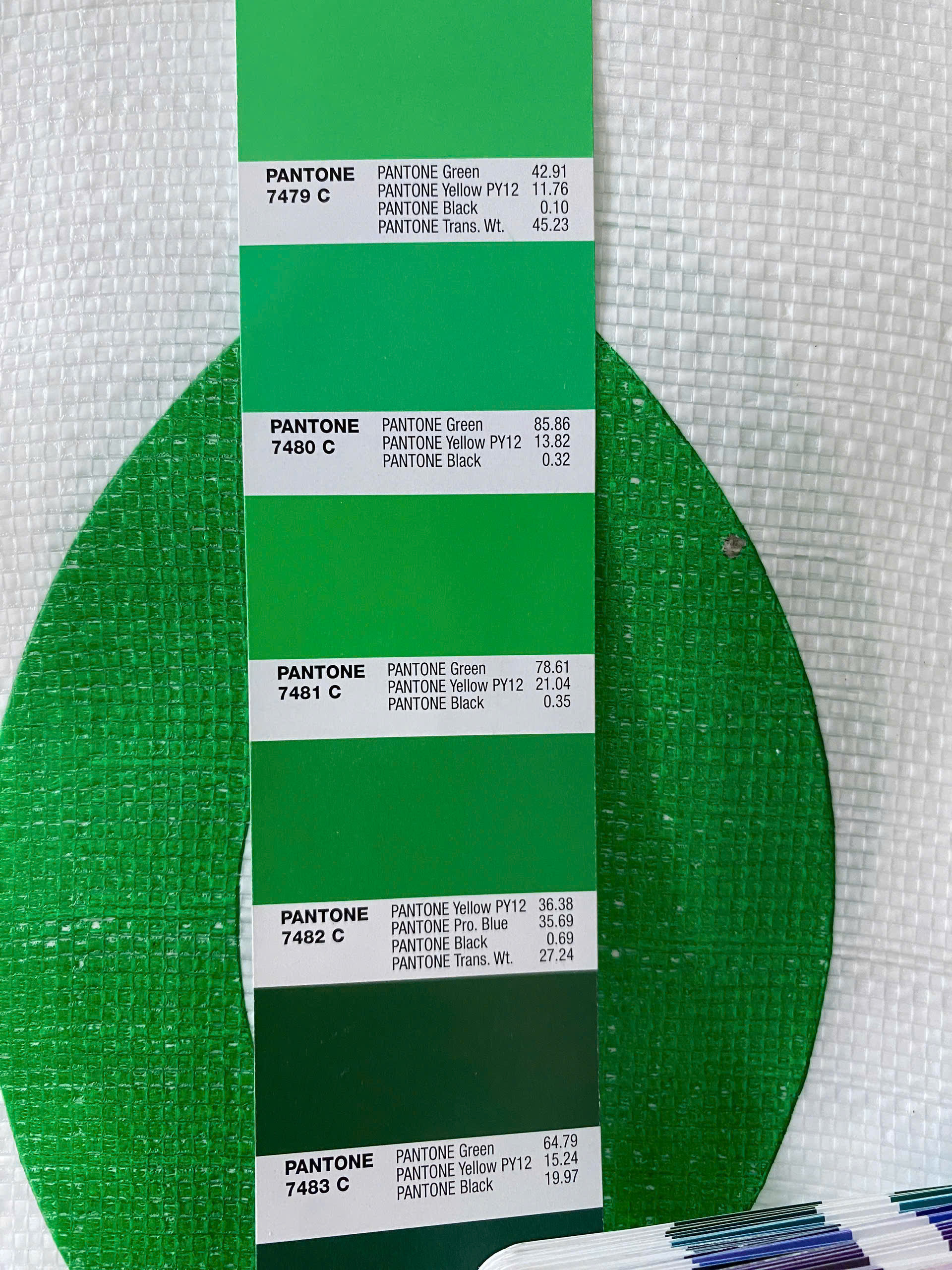
Color Matching: Evaluated against standard Pantone (PMS) reference colors under calibrated daylight lamps to ensure batch-to-batch consistency, or matching color with customer’s sample, agreed sample.
-
Ink Adhesion Test (Tape Test): Standard pressure-sensitive adhesive tape is applied firmly over the printed area and rapidly pulled off at a 90degrees angle. Zero or minimal ink peeling is permitted.
-
Heat-Resistant Printing: Print ink must withstand thermal contact during hot-filling operations or hot-air seam sealing without smearing, fading, or transferring to adjacent bags.
3. Drop Test Standards for Impact Resistance
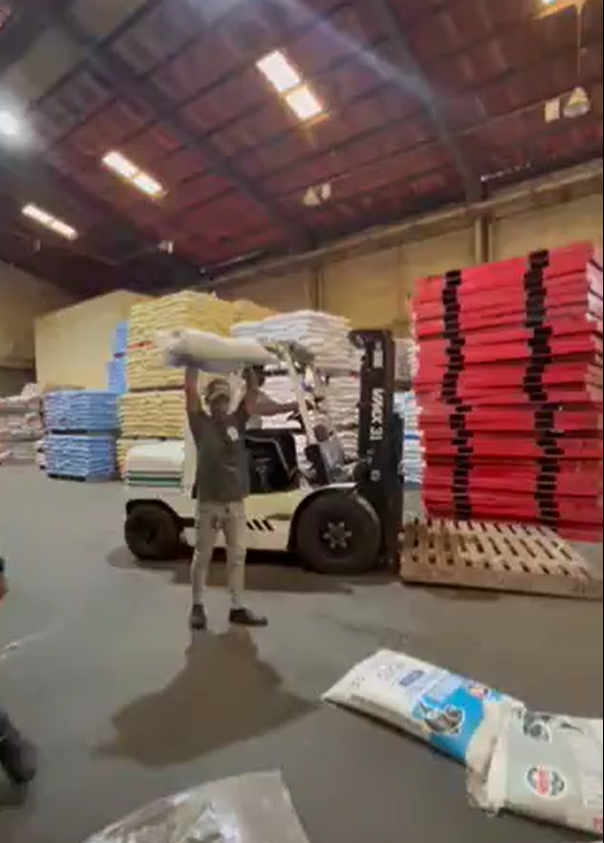
The drop test simulates real-world handling shocks, such as accidental falls from loading ramps, forklifts, or stacking trucks.
-
Drop Height: The fully packed, sealed PP woven bag is raised to a free-fall height of 4 meters.
-
4-Side Impact Test: To pass inspection, the bag must undergo drops hitting all 4 sides:
-
Flat on the front face.
-
Flat on the back face.
-
Vertical on the side gusset/edge.
-
Direct impact on the bottom seam.
-
-
Pass Criteria: Zero bursting, seam tearing, or material leakage following all 4 drops.
4. Inner PE Liner Quality Specifications
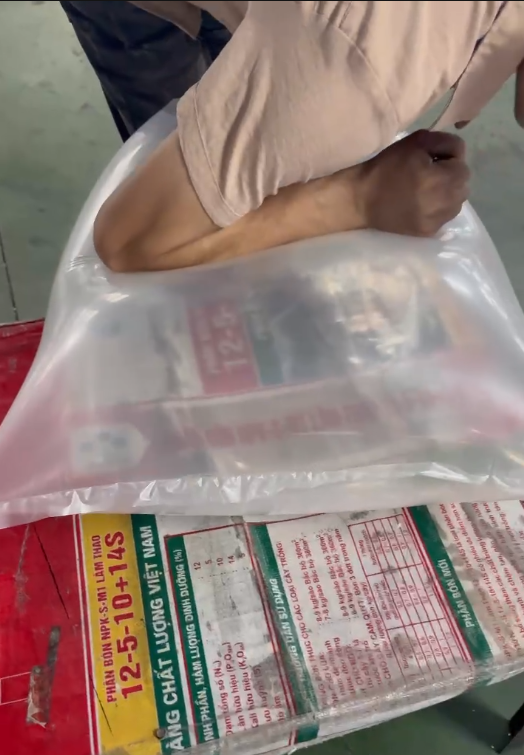
When bags require an internal Polyethylene (PE) liner for moisture or dust protection, the liner must meet separate quality thresholds:
-
Color & Clarity: Available in transparent clear, milky white, or custom-colored films. Color distribution must remain uniform without dark spots, air bubbles, or gel particles.
-
Tensile & Dart Impact Strength: PE film must possess high puncture resistance and tear elongation to prevent bursting inside the outer PP bag when dropped or heavily stacked.
Summary Quality Inspection Checklist
| QC Parameter | Inspection Standard | Acceptance Criteria |
| Mesh Density | Thread count per inch | Matches spec (e.g., 10/ inch) |
| Size Tolerance | Length & Width measurement | Within +-1cm |
| Fabric Tensile Strength | Tensile testing machine | Meets minimum specified Newton or KgF rating |
| Stitch Step | Stitches per | 8-12/10cm |
| Print Adhesion | Cross-hatch / Tape test | 0 % ink peel off |
| Drop Test | Free fall from 1.5-4m | No seam rupture or product spillage after 4 drops |
| PE Liner | Puncture & moisture barrier | Smooth, leak-proof, high impact resistance |
Let’s Partner with a Certified PP Woven Bag Supplier
Looking for export-ready PP woven bags that meet international quality, drop test, and printing standards? Nghe An Packaging Joint Stock Company (NAPCO) custom manufactures high-tensile bulk packaging direct from Vietnam.
View more about PP woven bag products from Nghe An Packaging Joint Stock Company:
-
Contact Person: Mr. Dien – Export Manager
-
Hotline / Direct Support: +84 98 549 5345 (WhatsApp, WeChat, Line, Viber, KakaoTalk)
-
Email: Dien@napco.com.vn